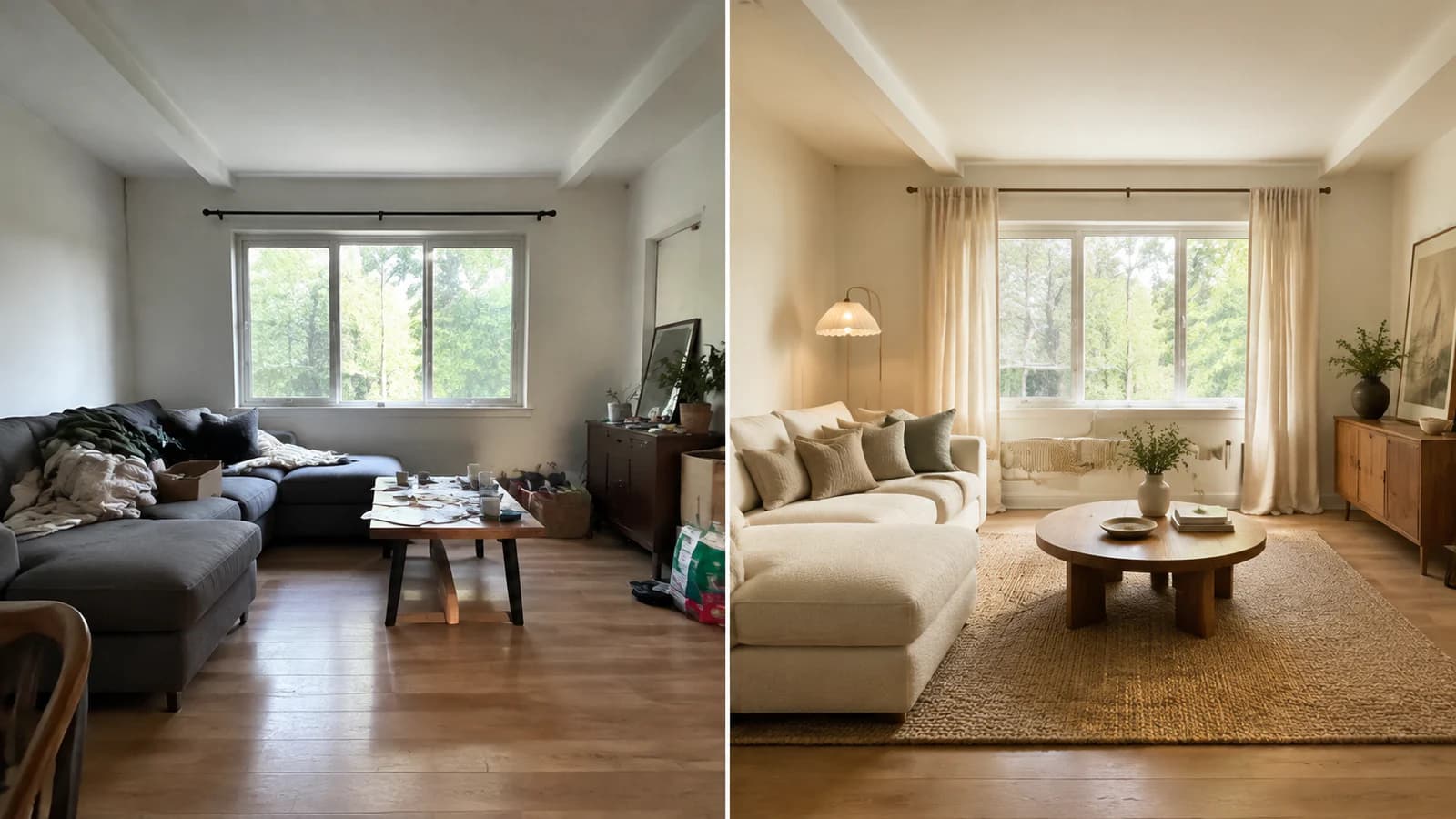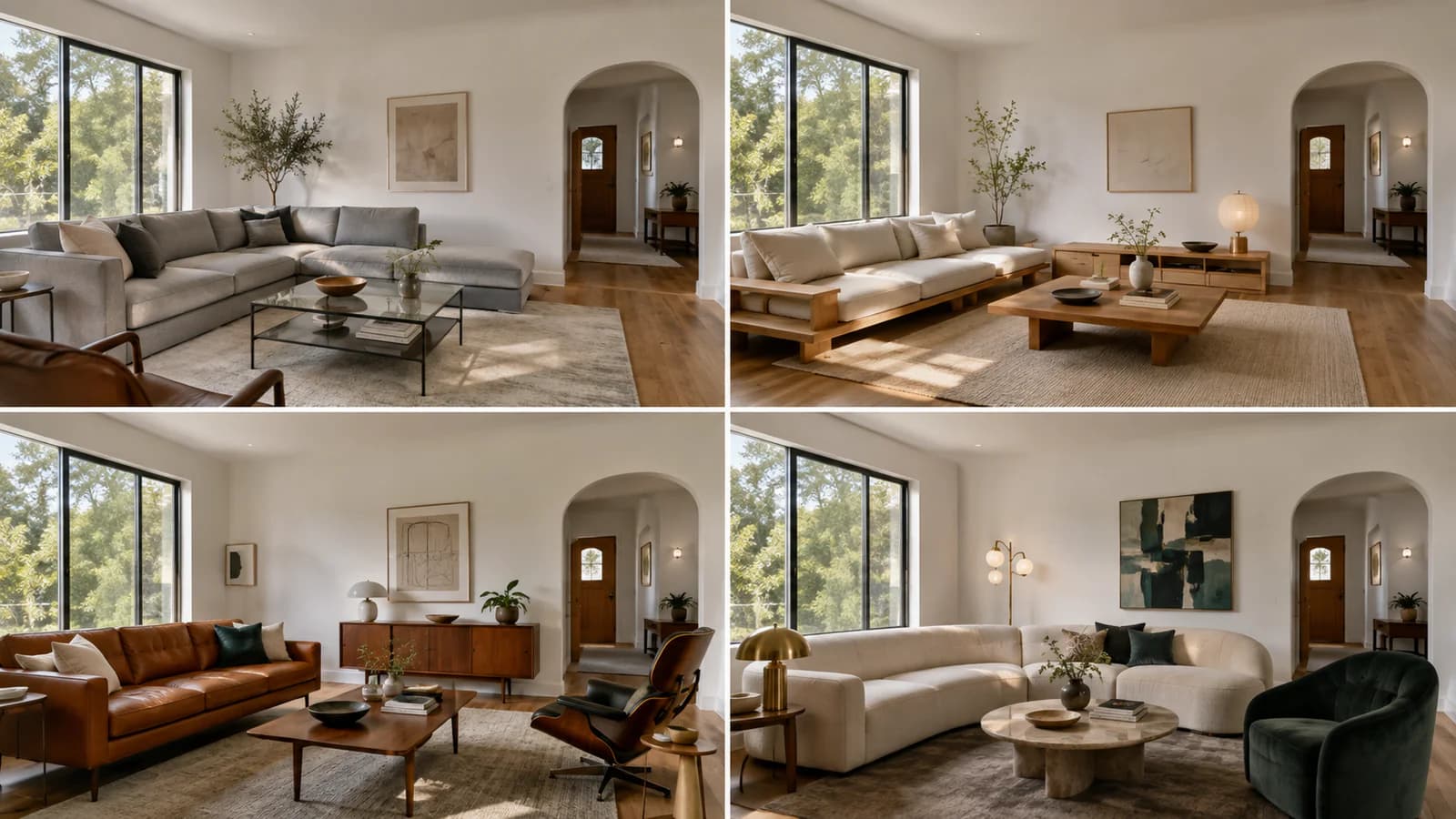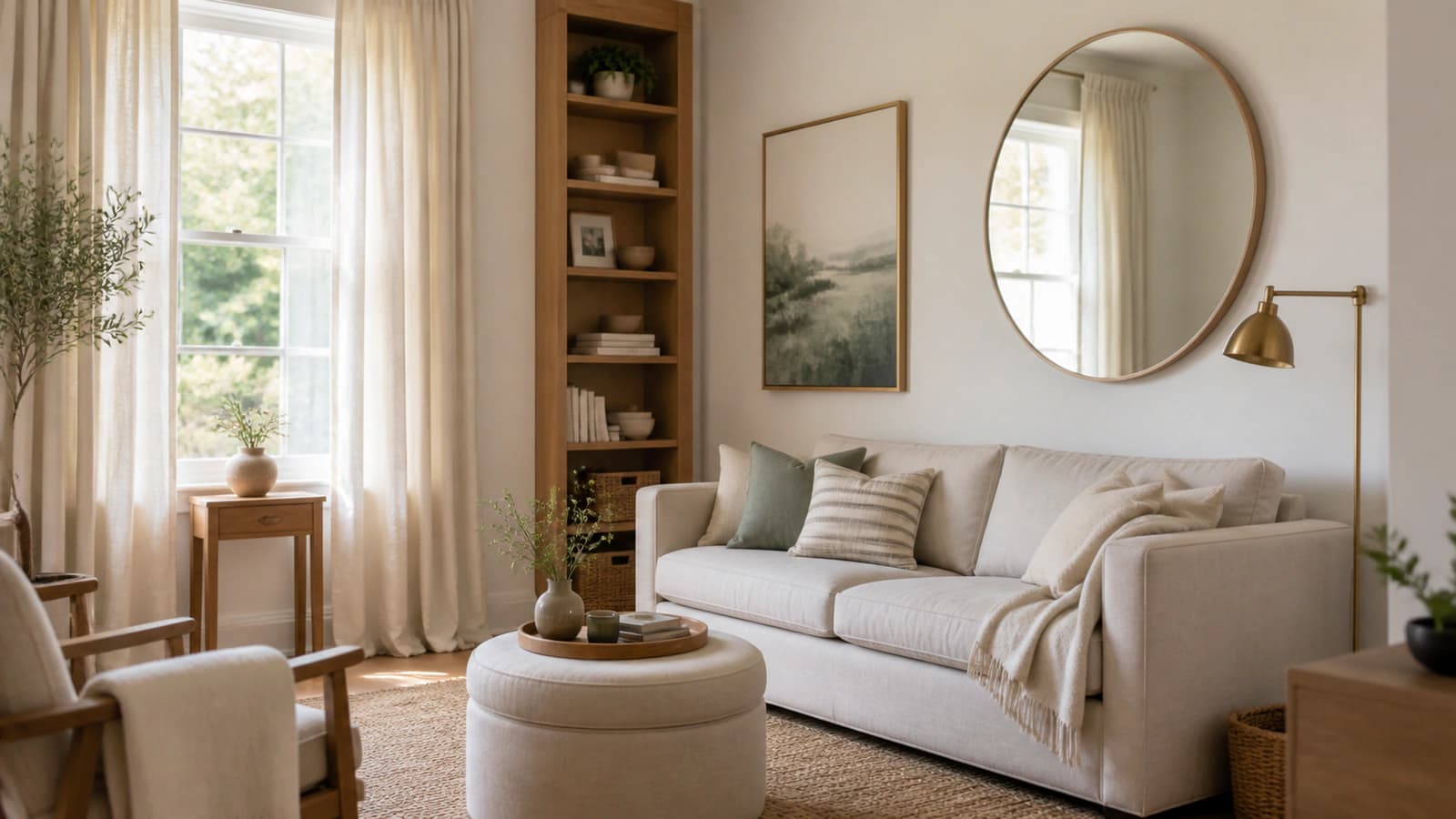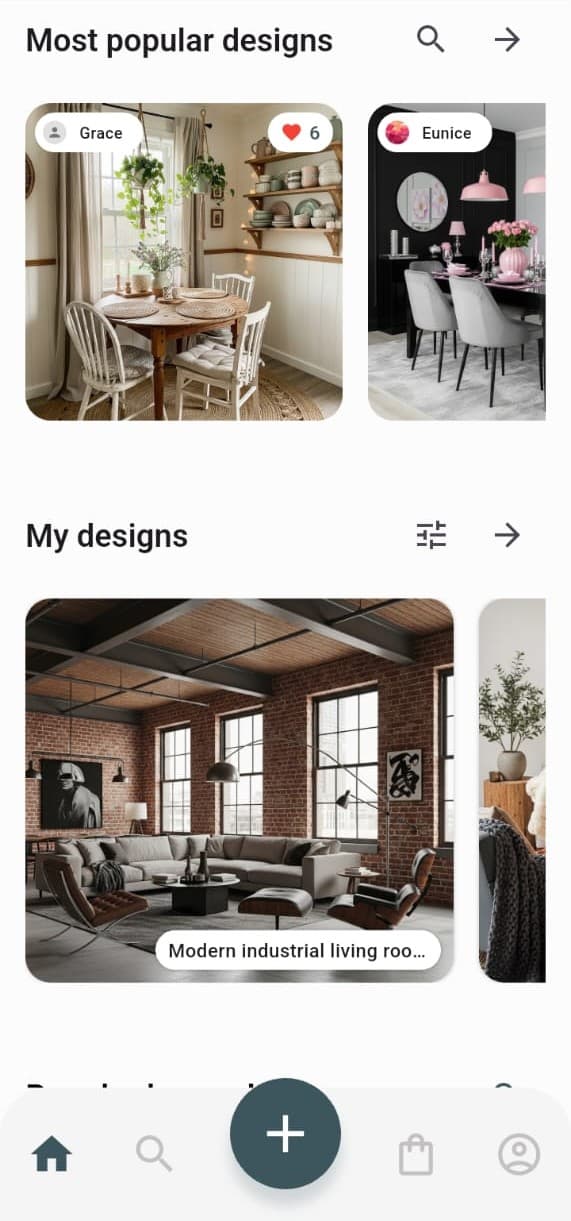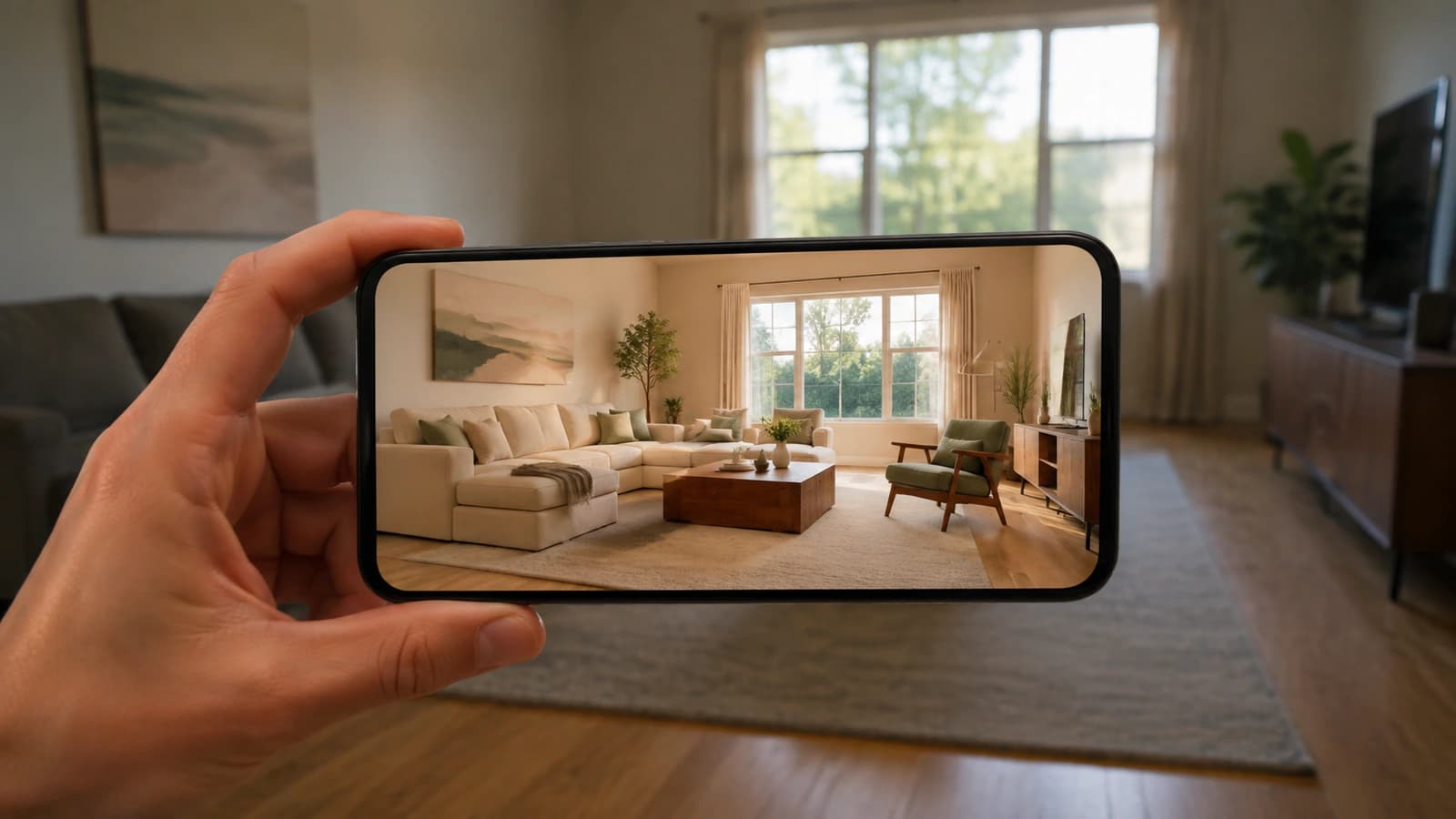
A good app should move you from "I have no idea what to do with this room" to "I know what I want, and I know what to buy." Here is what separates the two.
1. It should start with your actual room
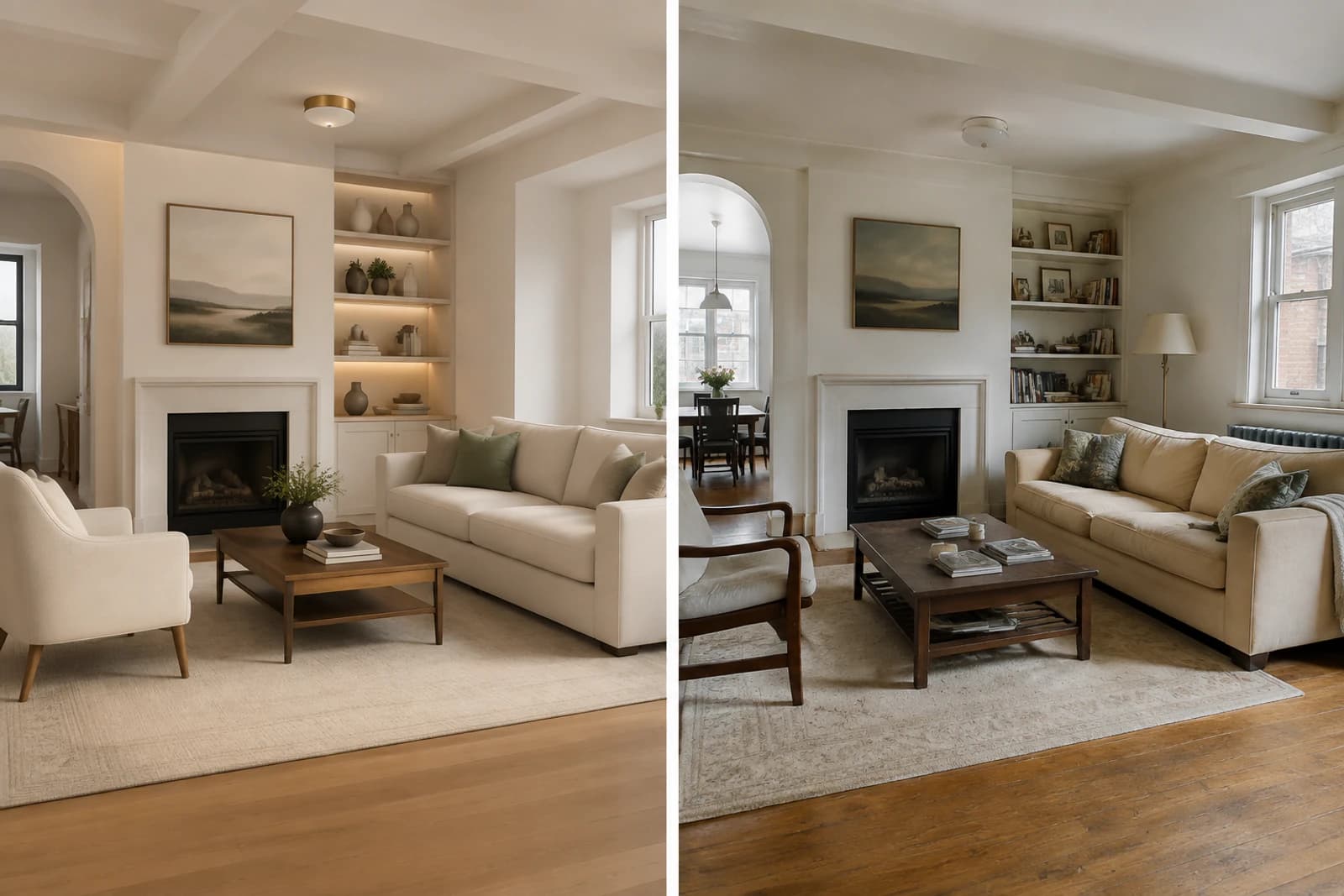
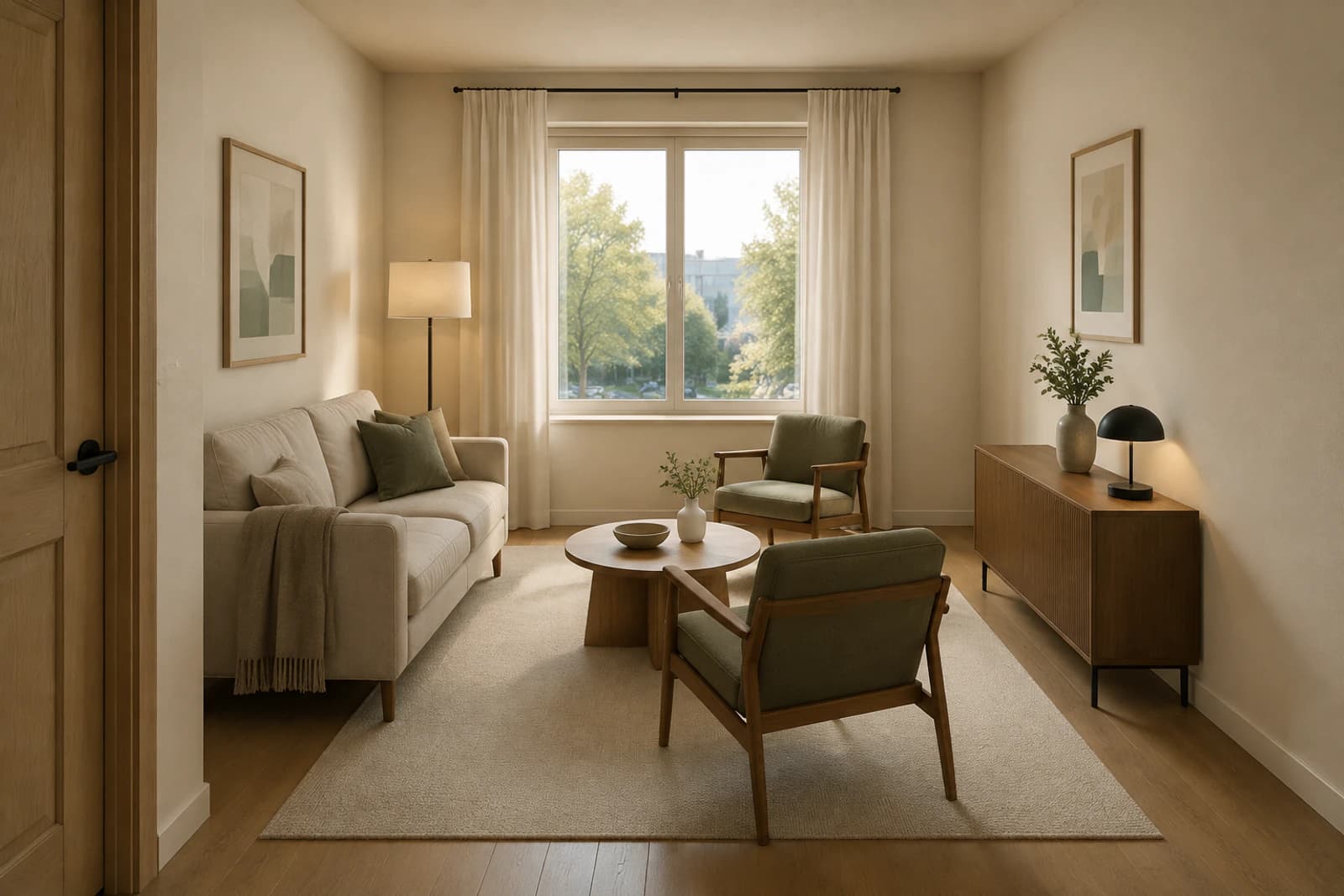
Generic room templates are fine for browsing, but your own room is where the useful information lives: the windows, the light, the proportions. Look for an app that lets you upload a real photo.
2. It should offer genuine style range
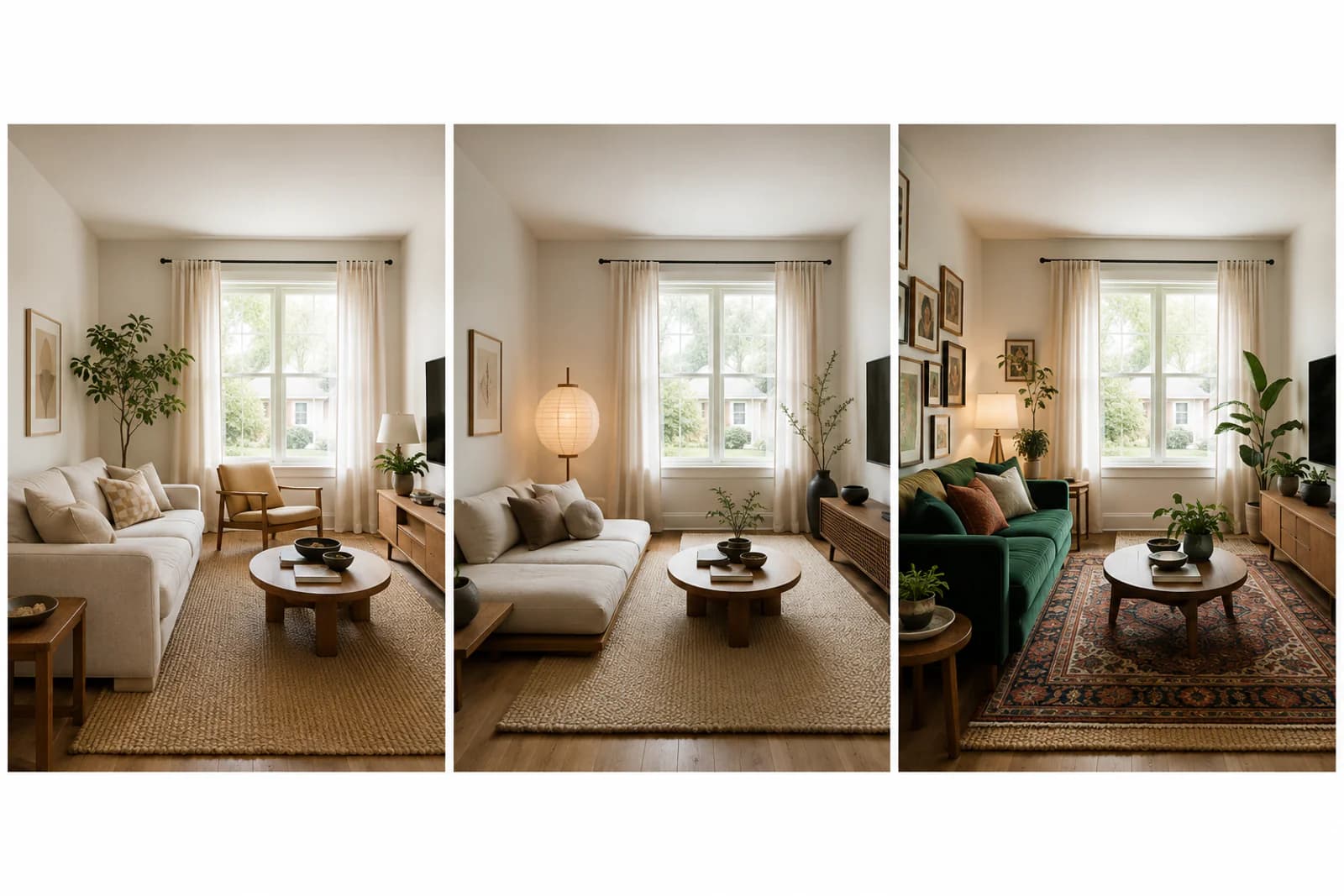
You should not have to redesign your taste around the app's default aesthetic. Good tools let you experiment across styles rather than nudging you toward one look. If you are not sure what you would even type, the style guide gives you a vocabulary.
3. It should handle more than one type of room
Ideally the same tool works across living rooms, bedrooms, kitchens, home offices, outdoor spaces and commercial spaces, not just the one room type it was built to showcase in the App Store screenshots. Clavis supports this range, from residential rooms to commercial and outdoor spaces.
4. It should connect to real furniture
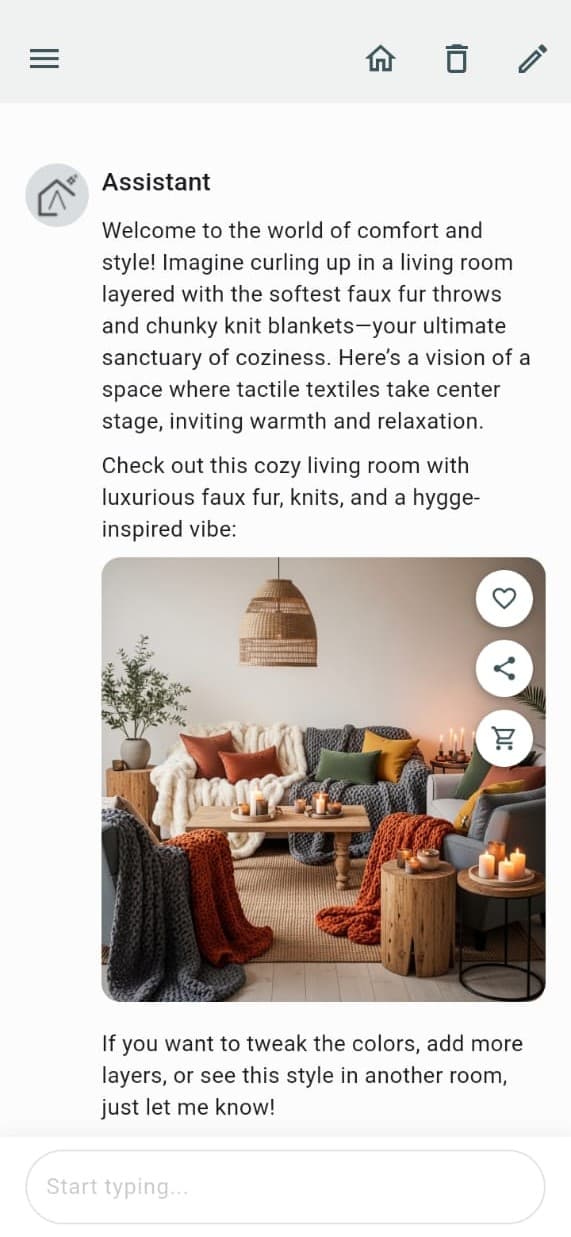
This is where a lot of design tools stop short. A rendered room is nice, but the actual question is always "where do I buy that?" Clavis connects generated designs to real, shoppable products from hundreds of brands, so you can go from image to purchase without leaving the app.
5. You should be able to regenerate
Your first design usually is not the right one. The ability to try another direction, a different palette, a different layout, matters more than getting it perfect on the first attempt.
6. Bonus: it should work from a floor plan
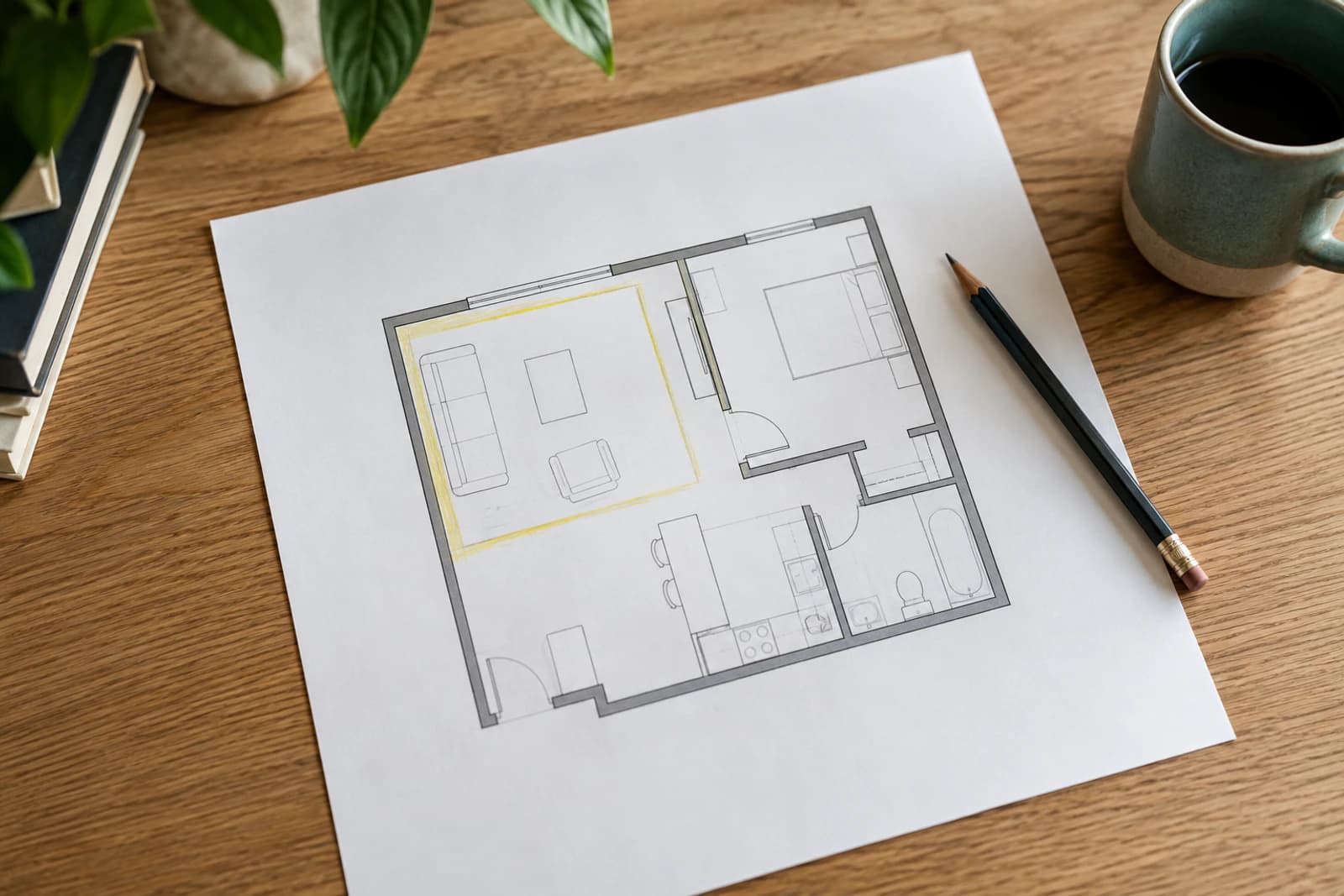
For bigger projects, a single photo is not always enough. Clavis also supports floor-plan uploads for exactly this reason: describe which room in the plan you want to design and the direction you want, and you get a design and a shopping list.
7. Know what it is not for
The checklist
| Ask | Why it matters | Clavis |
|---|---|---|
| Can I upload a photo of my own room? | Templates tell you nothing about your space | Yes, any phone photo |
| Can I try very different styles? | You are testing ideas, not adopting the app's taste | Yes, Japandi to maximalist |
| Does it handle every room type? | One tool for the whole home, plus outdoor and commercial | Yes |
| Can I buy what I see? | A render with nothing to buy stops one step short | Yes, real products with real prices |
| Can I regenerate? | First attempts are rarely right | Yes, as many times as you like |
| Does it accept a floor plan? | Bigger projects need more than a photo | Yes |
| Is it honest about limits? | It is a decision tool, not a measuring tool | Verify dimensions before you buy |
Why this category is getting more search attention
Interest in interior design apps has been climbing steadily, and the intent behind it looks less like inspiration-browsing and more like tool-shopping. People are not just interested in interior design. They are increasingly looking for something that helps them actually do it. For the mechanics of how these tools generate a room, read how AI interior design works.
The problem is not finding an app. It is finding one that helps you make a decision.