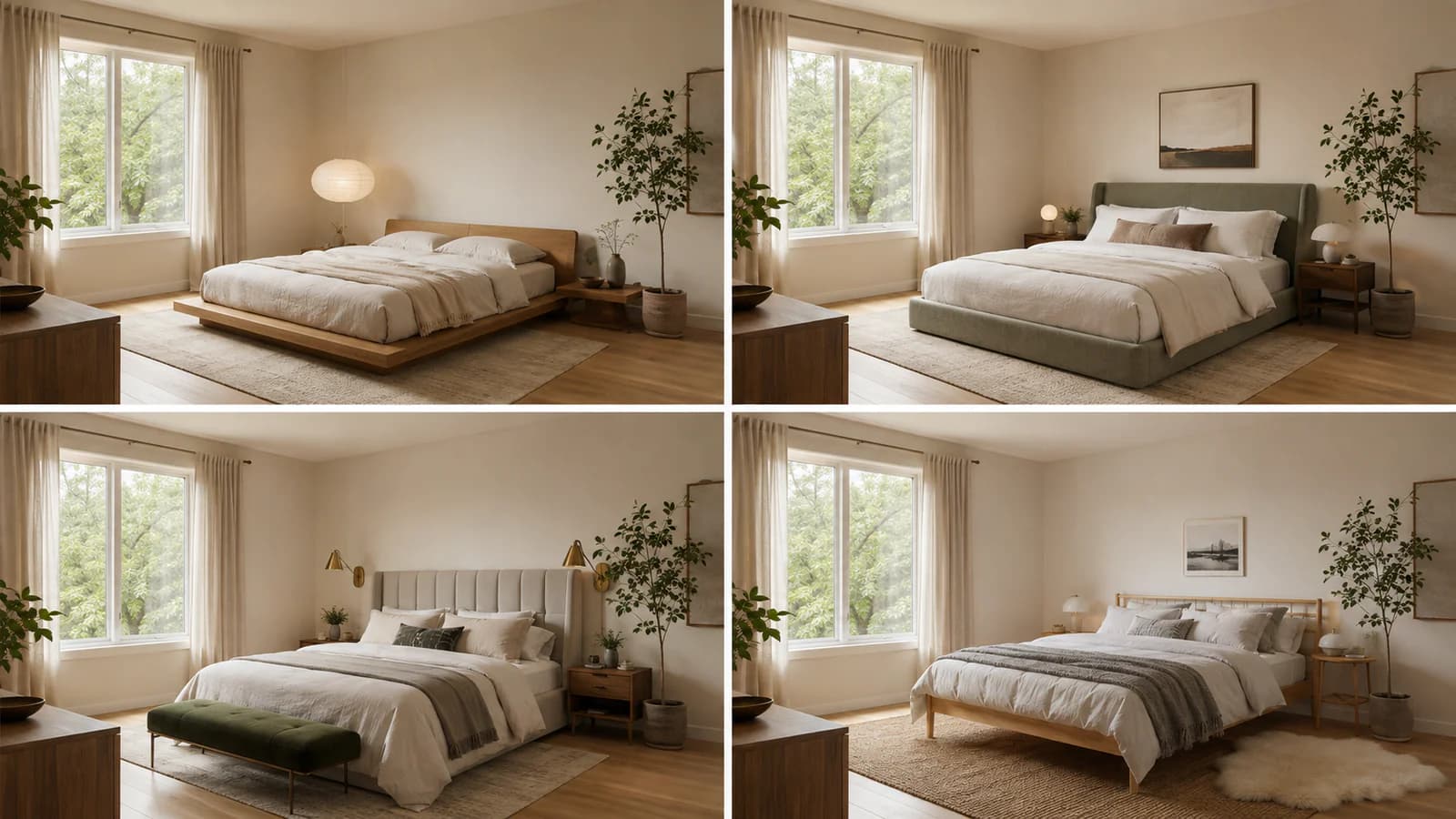
You just know you like certain rooms. You save them, and eventually notice you keep saving the same thing. That is actually how you find your style: by pattern, not by declaration.
Here is a quick tour of the major categories, and where each one tends to go wrong.
Modern
Modern interior design means clean lines, simple forms and intentional furniture with very little ornament. The risk is sterility. Warm it up with wood, textured upholstery and softer lighting so it does not feel like a waiting room.
Minimalist
Minimalist design is less about an empty house and more about removing visual noise. Every object earns its place. Done well, it feels calm rather than bare.
Scandinavian
Scandinavian design pairs simplicity with comfort: natural materials, practical furniture, light colors and soft textiles. It is built to be lived in, not just photographed.
Japandi
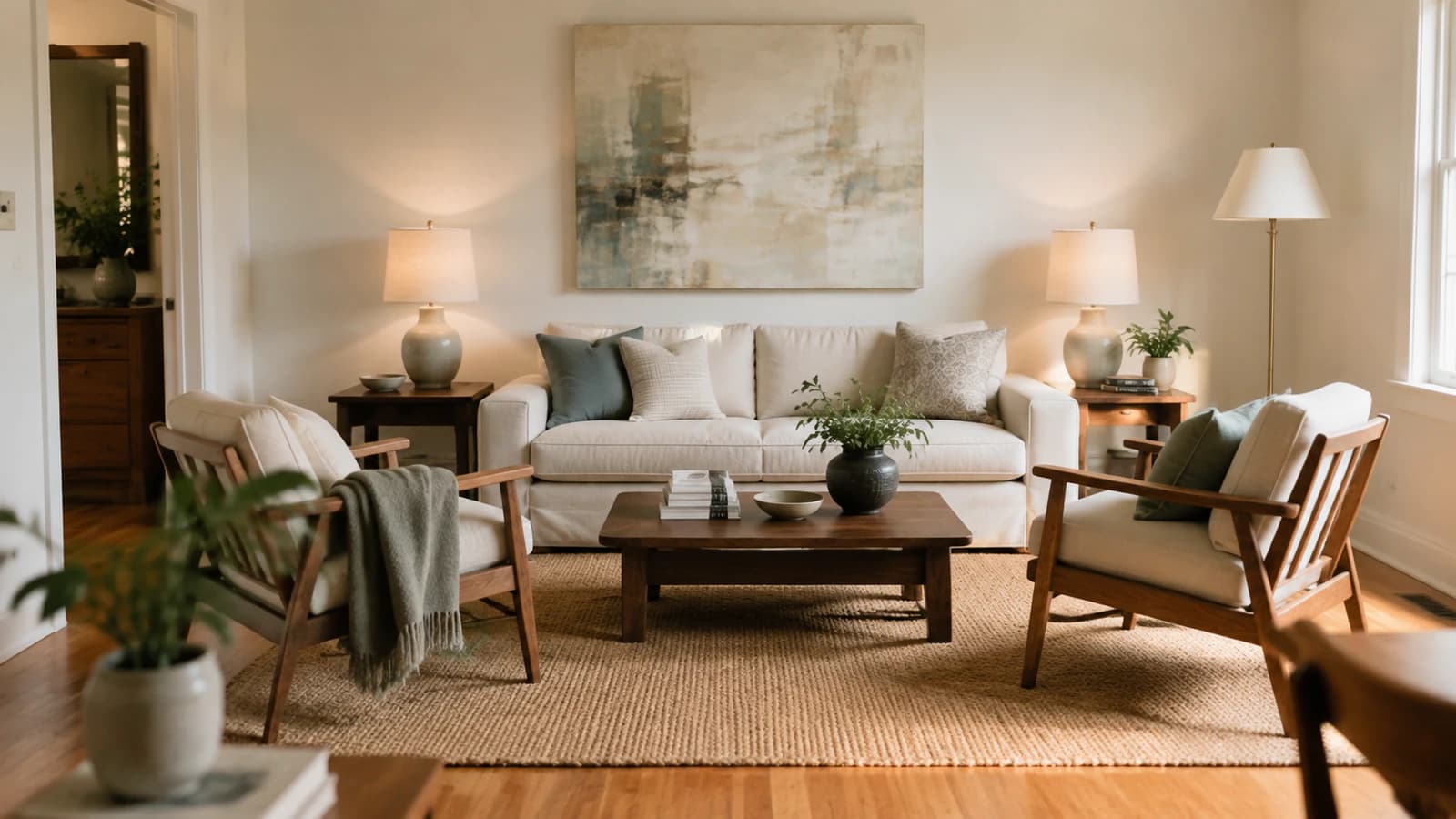
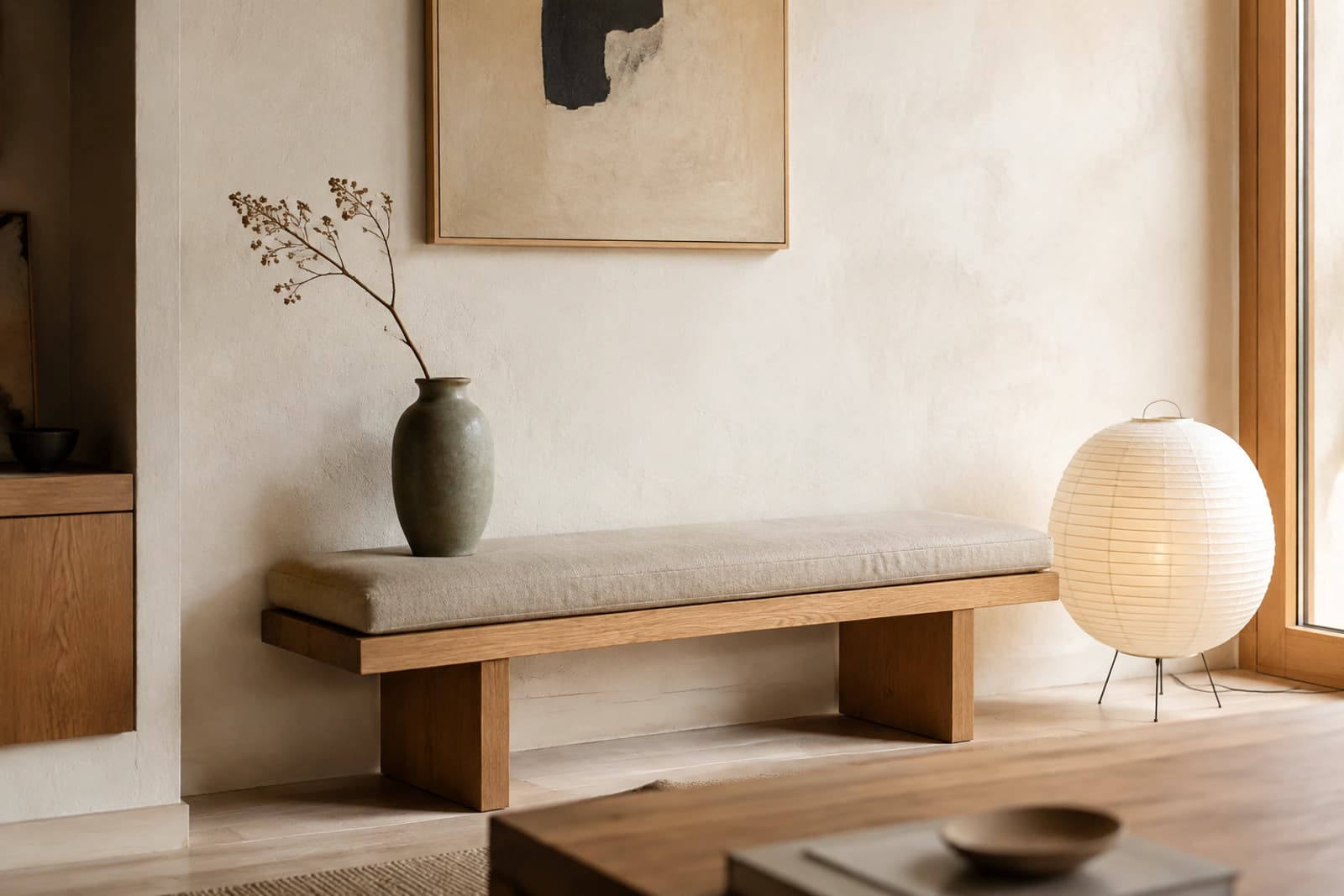
Japandi is Japanese restraint meeting Scandinavian warmth: natural wood, neutral tones, organic shapes and very little clutter. It is one of the easier styles to get wrong by overdoing the "minimal" part until the room feels cold.
Mid-century modern
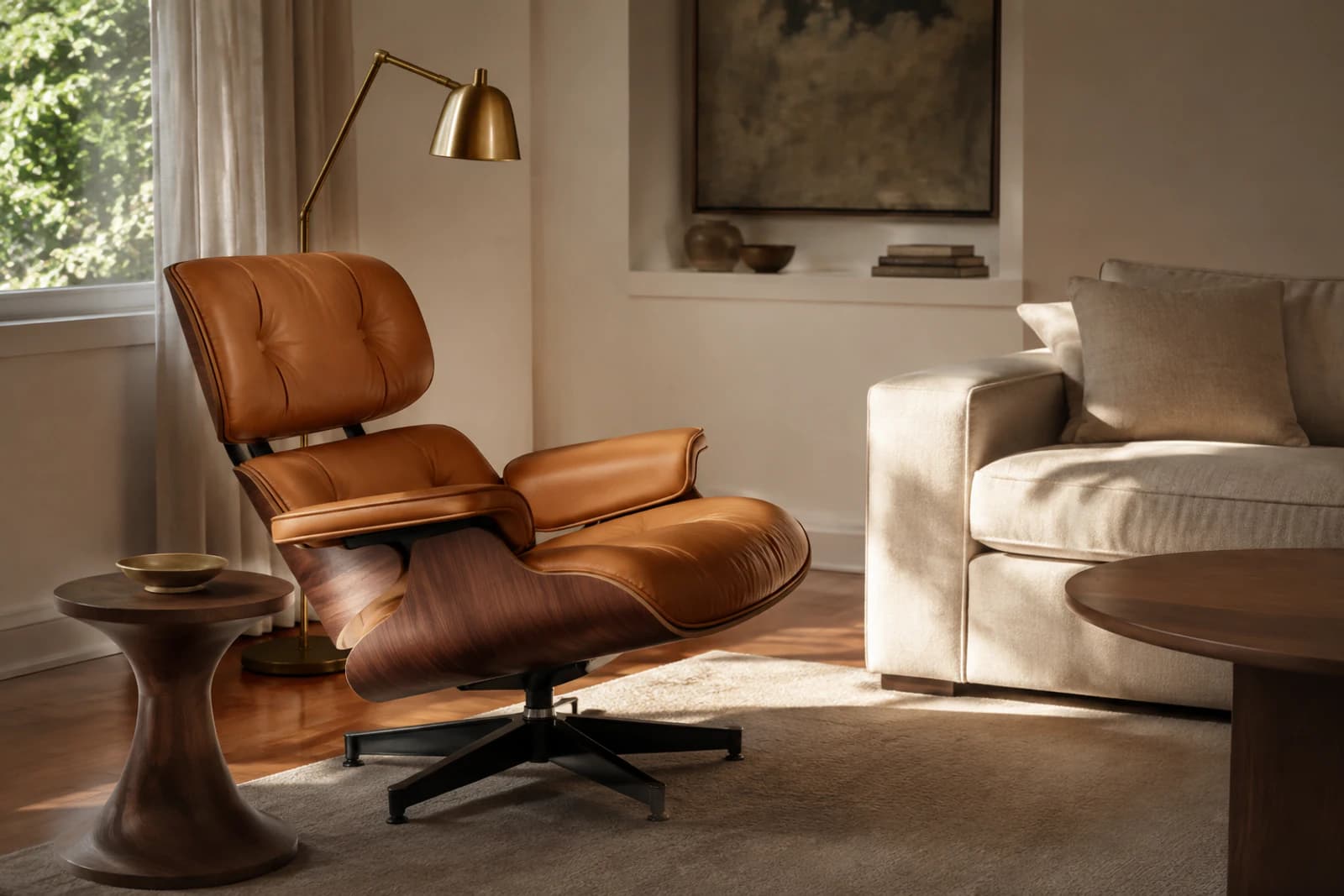
Mid-century modern is recognizable through its furniture silhouettes, warm woods and clean geometry. You do not need an entire mid-century house. One great chair can carry the reference on its own.
Contemporary
Contemporary design is whatever is current: curves, sculptural lighting, mixed materials and present-day color palettes. It shifts by definition, so treat it as a direction, not a fixed formula.
Industrial
Industrial style leans on metal, concrete, brick and reclaimed wood. Balance the hard materials with comfortable textiles and warm lighting, or the room reads as unfinished rather than intentional.
Modern farmhouse
Modern farmhouse works best restrained. Natural materials and comfortable furniture do more for the look than filling every wall with rustic signage.
Eclectic
Eclectic design pulls different periods and influences together. The trick is finding one thing that connects them, whether that is a color, a material or a shape.
Luxury
Luxury is not the same as expensive. It tends to come from proportion, material quality, lighting and restraint, not from how much is in the room.
The styles side by side
| Style | Feels like | Signature materials | Where it goes wrong |
|---|---|---|---|
| Modern | Clean, intentional, calm | Glass, steel, flat-front wood | Sterile, like a waiting room |
| Minimalist | Quiet, edited | Whatever is left after editing | Bare instead of calm |
| Scandinavian | Light, practical, cozy | Pale wood, wool, linen | Too much white, no warmth |
| Japandi | Restrained, grounded | Oak, paper, stoneware, linen | Cold when the minimal side wins |
| Mid-century modern | Warm, sculptural | Walnut, teak, leather, brass | A period set instead of a home |
| Contemporary | Of the moment | Curves, boucle, mixed metals | Dated fast if you chase every trend |
| Industrial | Raw, honest | Metal, brick, concrete, reclaimed wood | Unfinished without soft textiles |
| Modern farmhouse | Relaxed, welcoming | Painted wood, shiplap, natural fibers | Rustic signage on every wall |
| Eclectic | Collected, personal | Anything, tied by one thread | Chaos with no connecting element |
| Luxury | Composed, generous | Stone, velvet, quality wood | Confusing expensive with luxurious |
You do not have to pick just one
This is the part people miss. Your home is allowed to be:
- 70 percent modern, 20 percent Scandinavian, 10 percent vintage
- Japandi furniture with colorful artwork
- A contemporary kitchen next to a traditional dining room
Your style can evolve room by room, and year by year. If the bedroom is where you want to start, the bedroom styles guide looks at how each of these translates to the most personal room in the house.
Test it instead of guessing
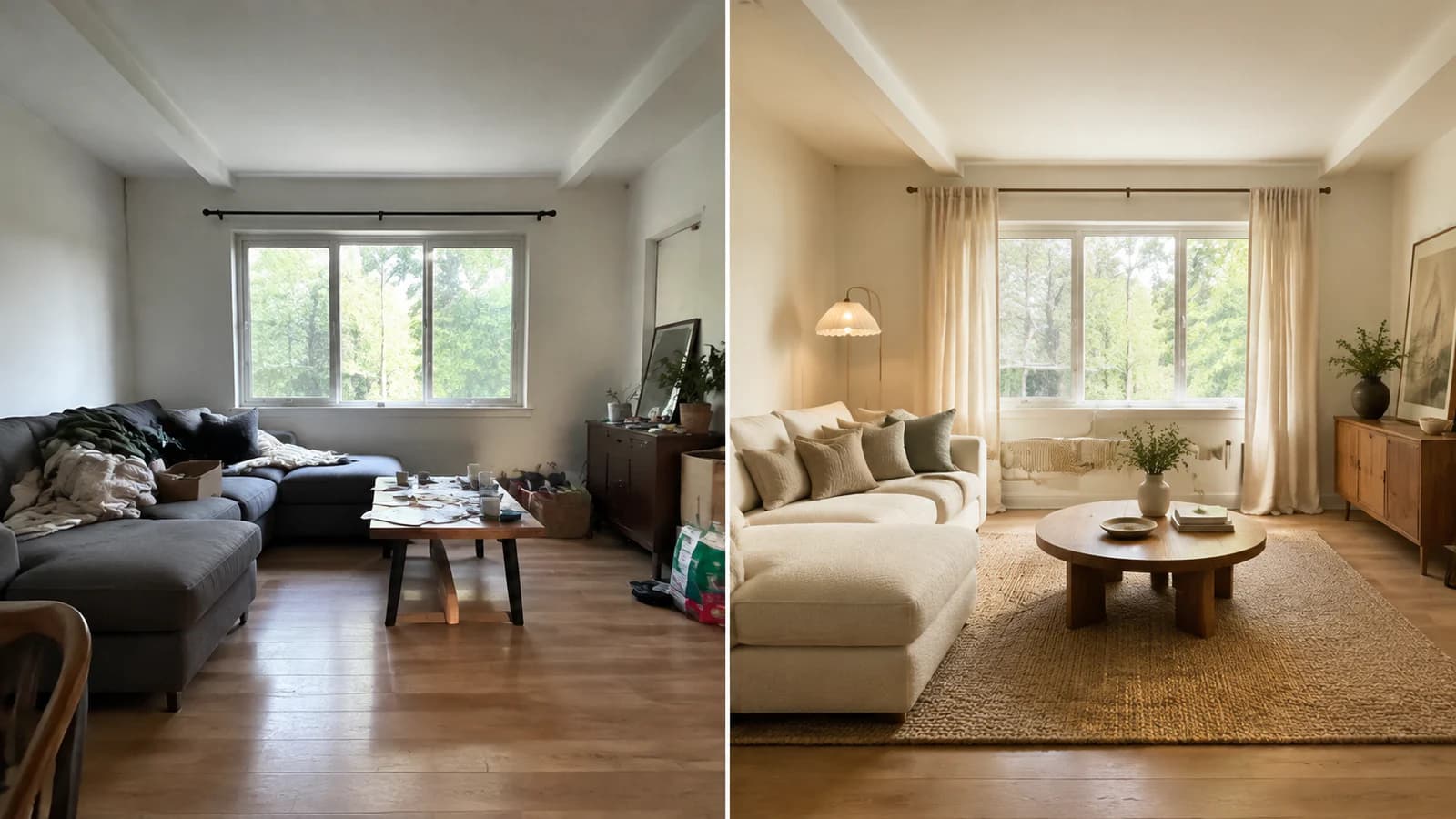
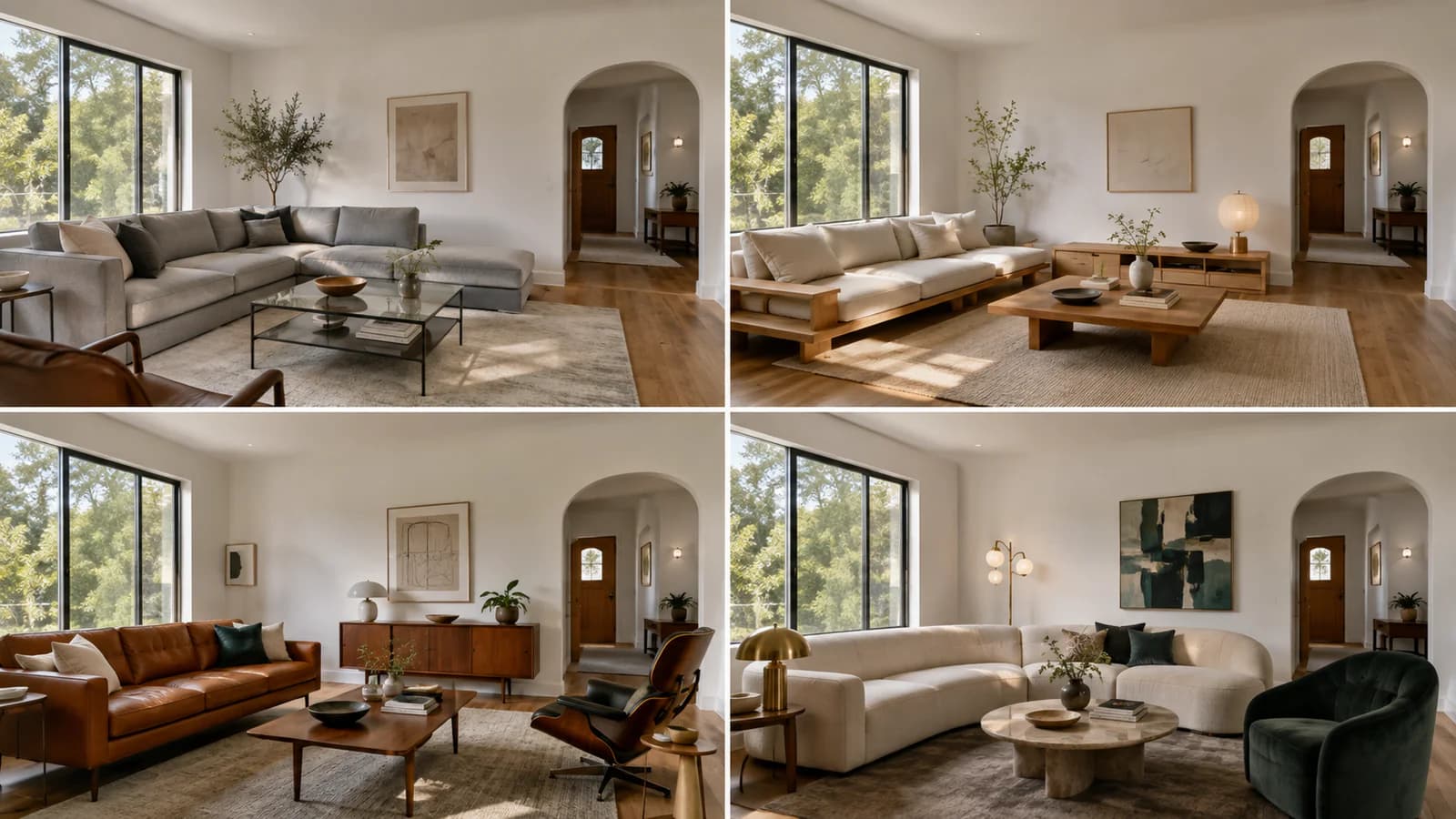
Clavis lets you upload a photo of your own room and try different styles against it, Japandi, maximalist, whatever you are curious about, regenerating until something actually feels right, instead of imagining it from a moodboard. This is what that looks like on one room:
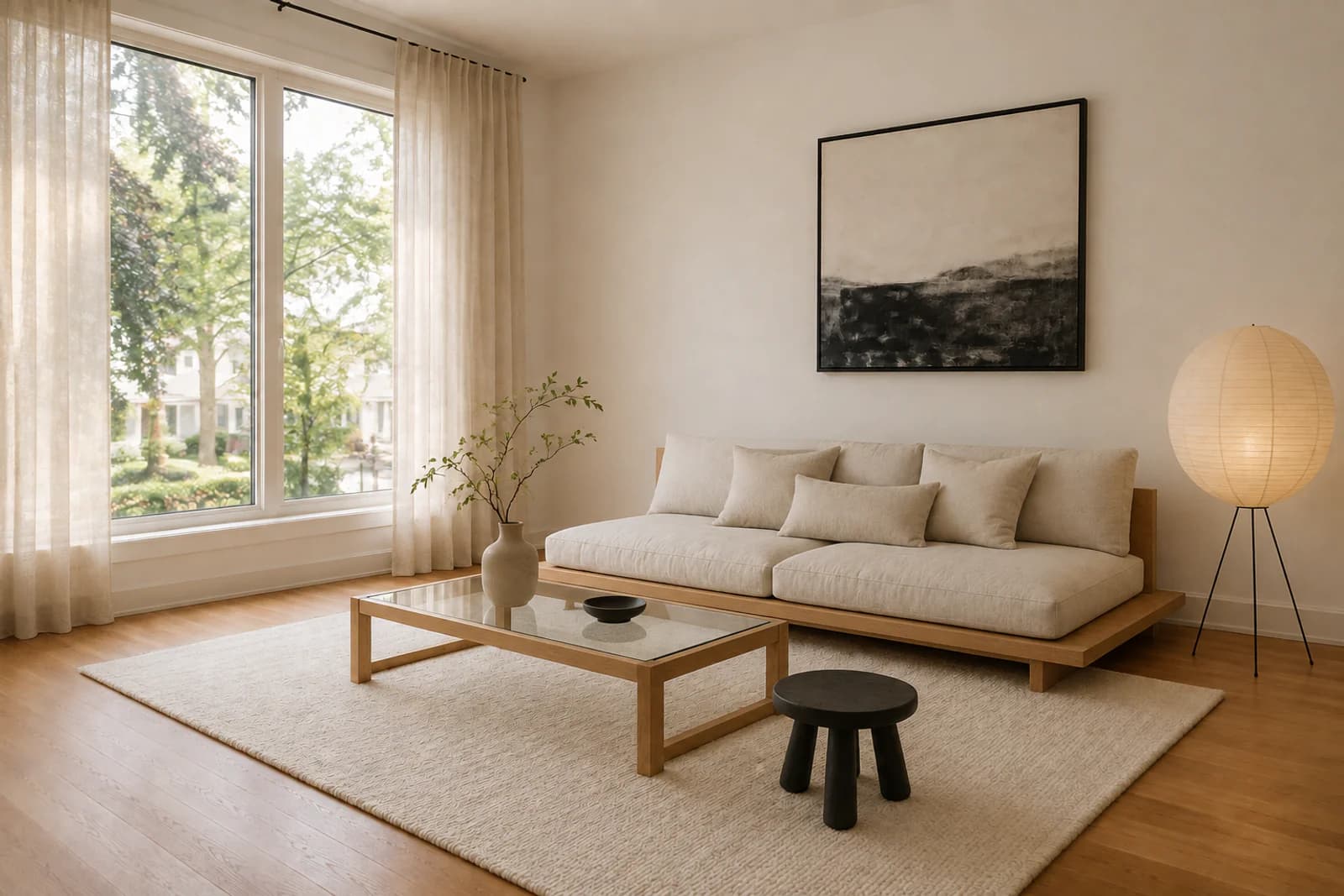
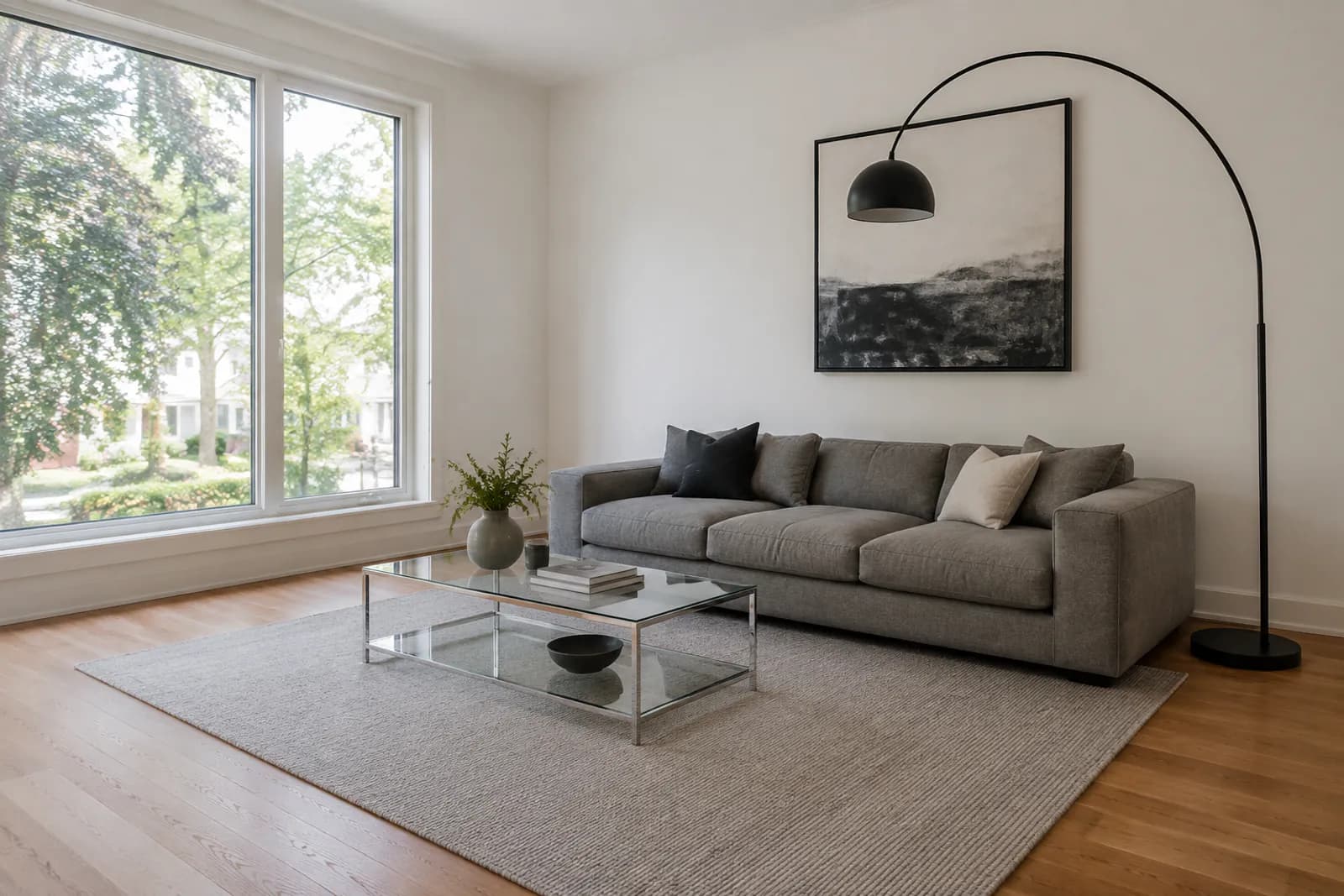
Do not ask which style is "correct." Ask which room makes you want to come home. And once you have a direction, the practical next step is layout and light, which our living room guide covers in order.
You find your style by pattern, not by declaration.