Skip to content

Ideas & trends4 min read

Home Interior Design Trends: What People Are Actually Wanting in 2026

The interesting thing about interior design trends right now is not a new color or a new shape. It is that people seem less interested in making their home look like a showroom.

Ayo Aiyeleye

Ayo Aiyeleye

Co-founder, Clavis AI

Published

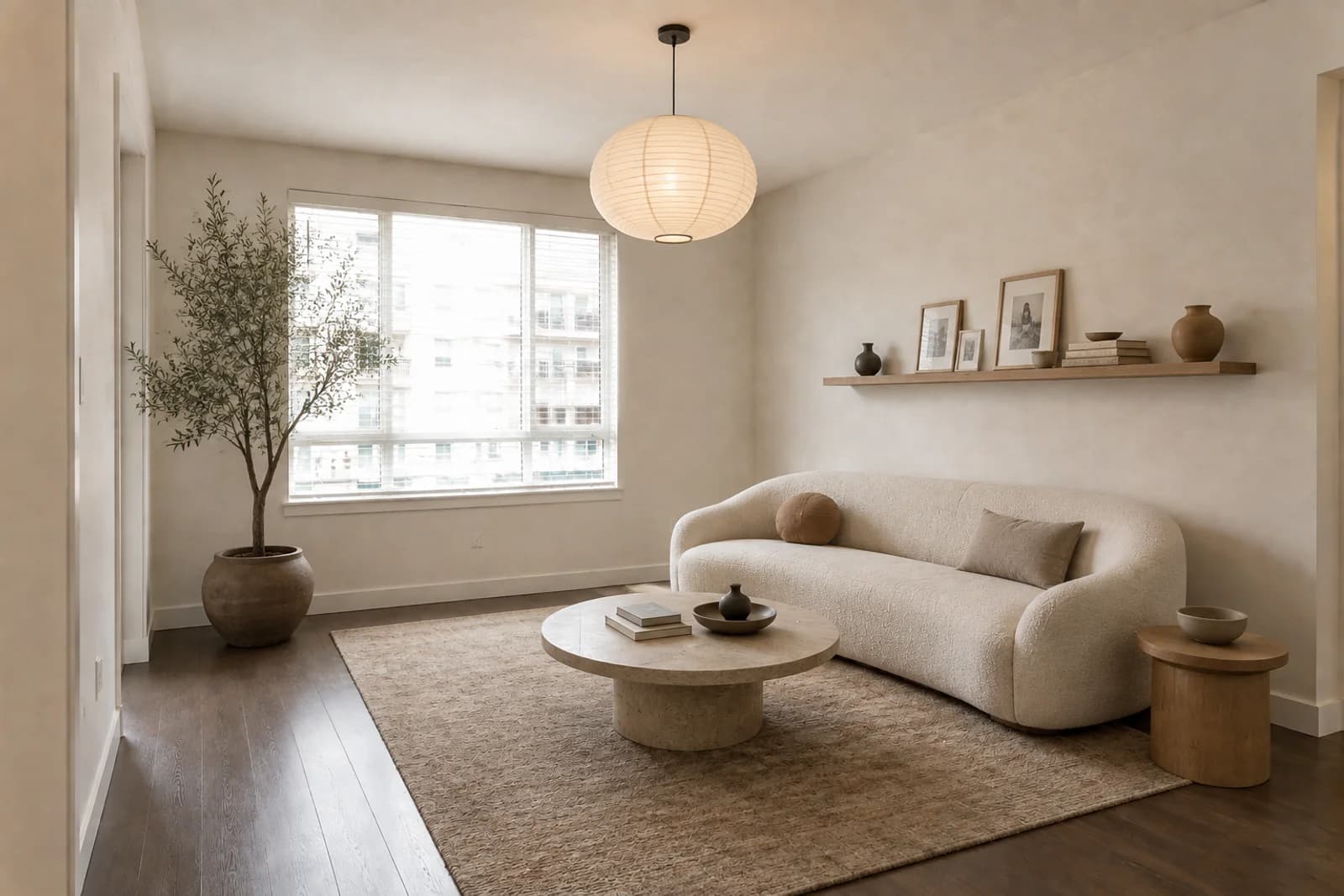
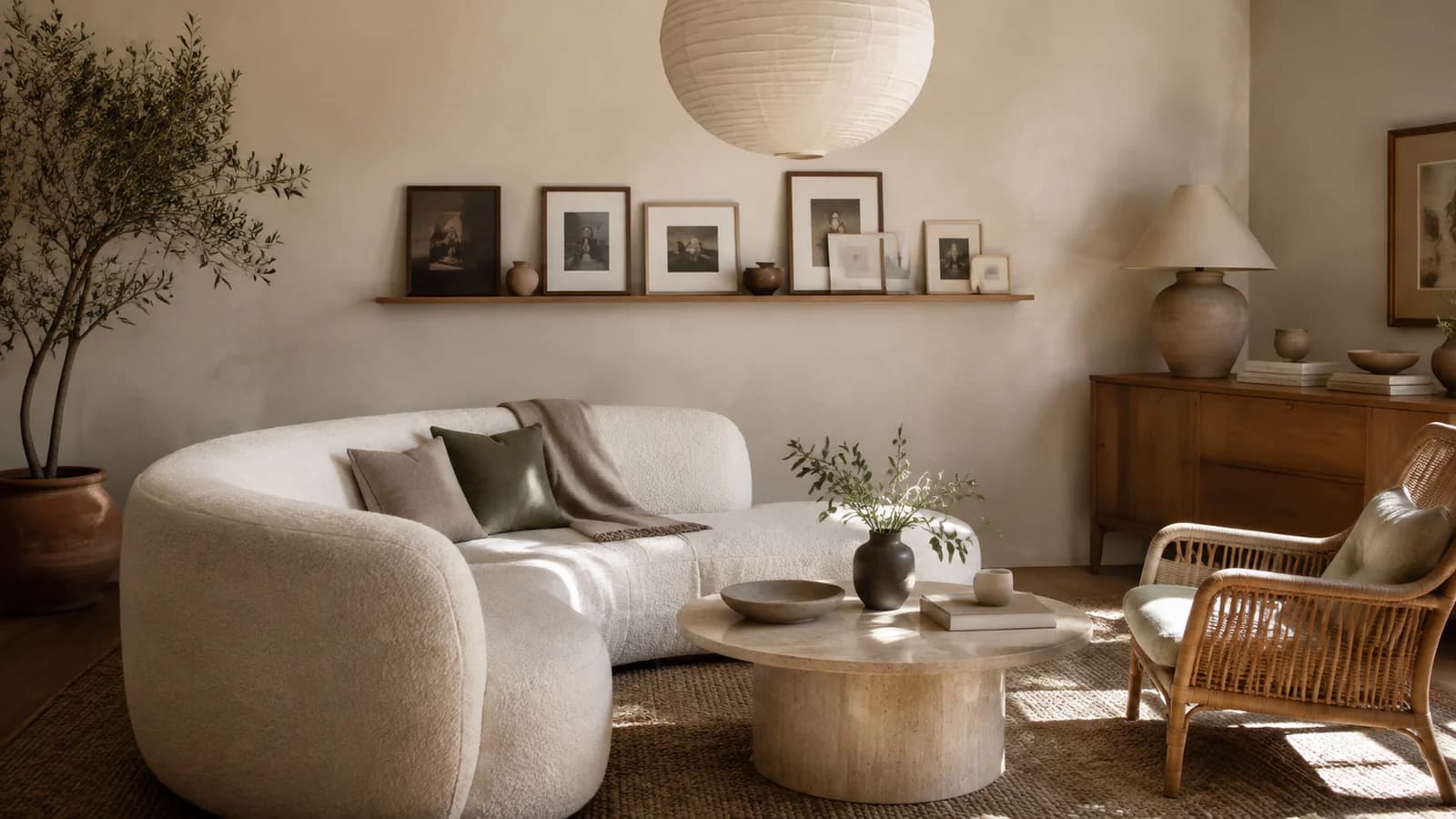
A 2026 living room with warm white walls, a curved boucle sofa, oak and travertine, a sculptural pendant and personal art

Quick answer

The home interior design trends of 2026 point the same way: warmth over sterile minimalism, natural materials such as wood, stone, linen and wool, a few curved pieces, lighting that doubles as art, rooms that reflect the people who live there, sustainability that looks like buying fewer and better pieces, and AI tools that let people see a design in their own room before they spend.

They want it to feel personal, comfortable, warm and, increasingly, practical. Here are the shifts that matter in 2026, and how to use each one without redoing the whole house.

Warmth is replacing sterile minimalism

Minimalism is not disappearing. It is softening. Instead of white walls, a gray sofa and an empty room, the pull now is toward warm whites, wood, texture and furniture you actually want to sink into.
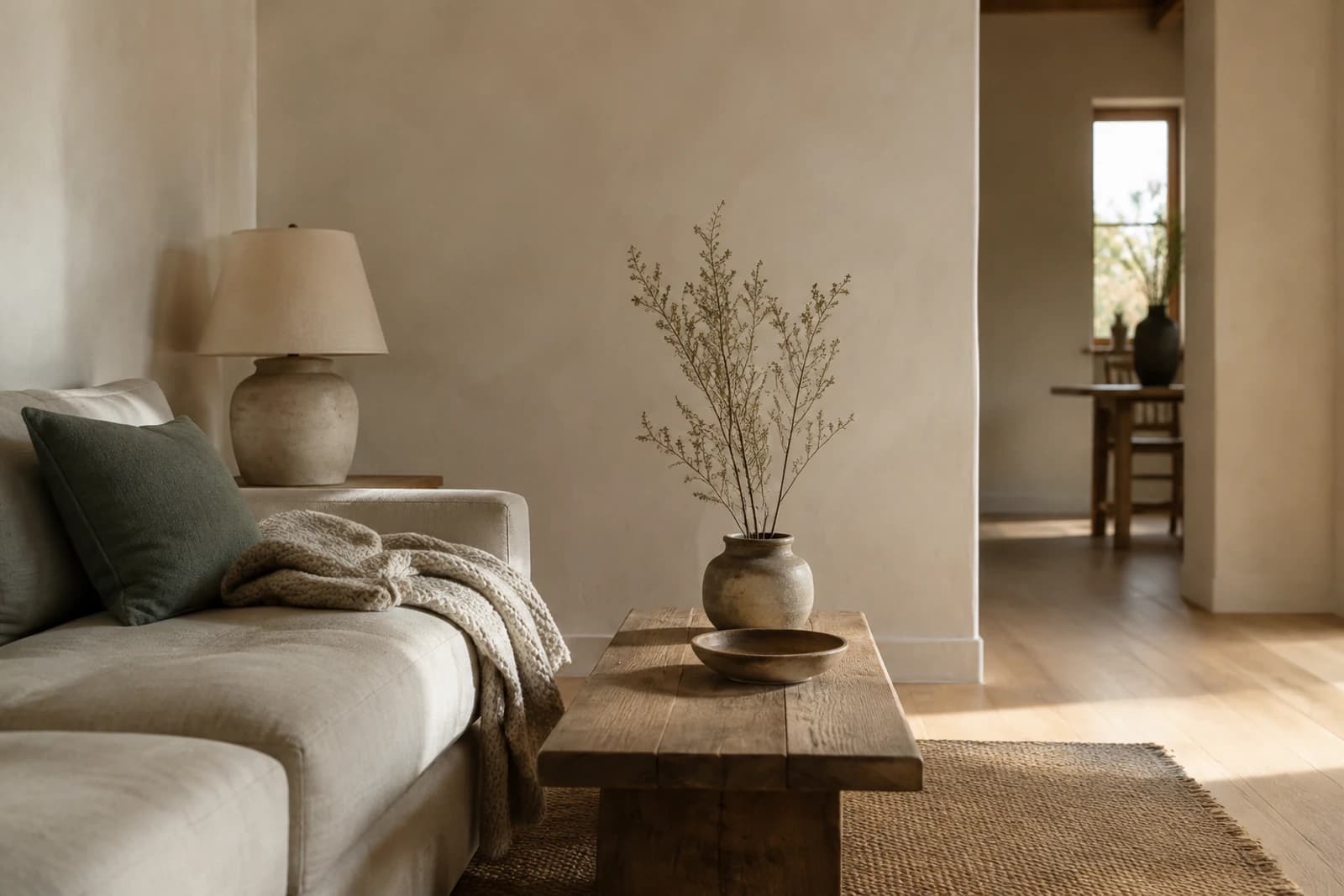
A warm minimalist room with limewash walls, an oak bench, a linen sofa and one ceramic lamp
Warm minimalism: fewer things, but every one of them soft, natural and inviting.

Natural materials are not going anywhere

Wood, stone, linen, wool, rattan and woven textiles bring warmth into a room without needing loud color to do it. This is not a trend so much as a correction: a return to materials that age well.

Curves are showing up more

Curved sofas, rounded coffee tables, arched mirrors, sculptural lighting: all softening rooms that had leaned hard into straight lines for years. The caveat: one or two strong curved pieces is usually enough. Curve everything and the room starts to feel like a set.

Lighting is becoming decorative, not just functional

A fixture does not only have to illuminate a room anymore. It can be the artwork. Statement pendants and sculptural lamps are increasingly doing double duty as focal points.
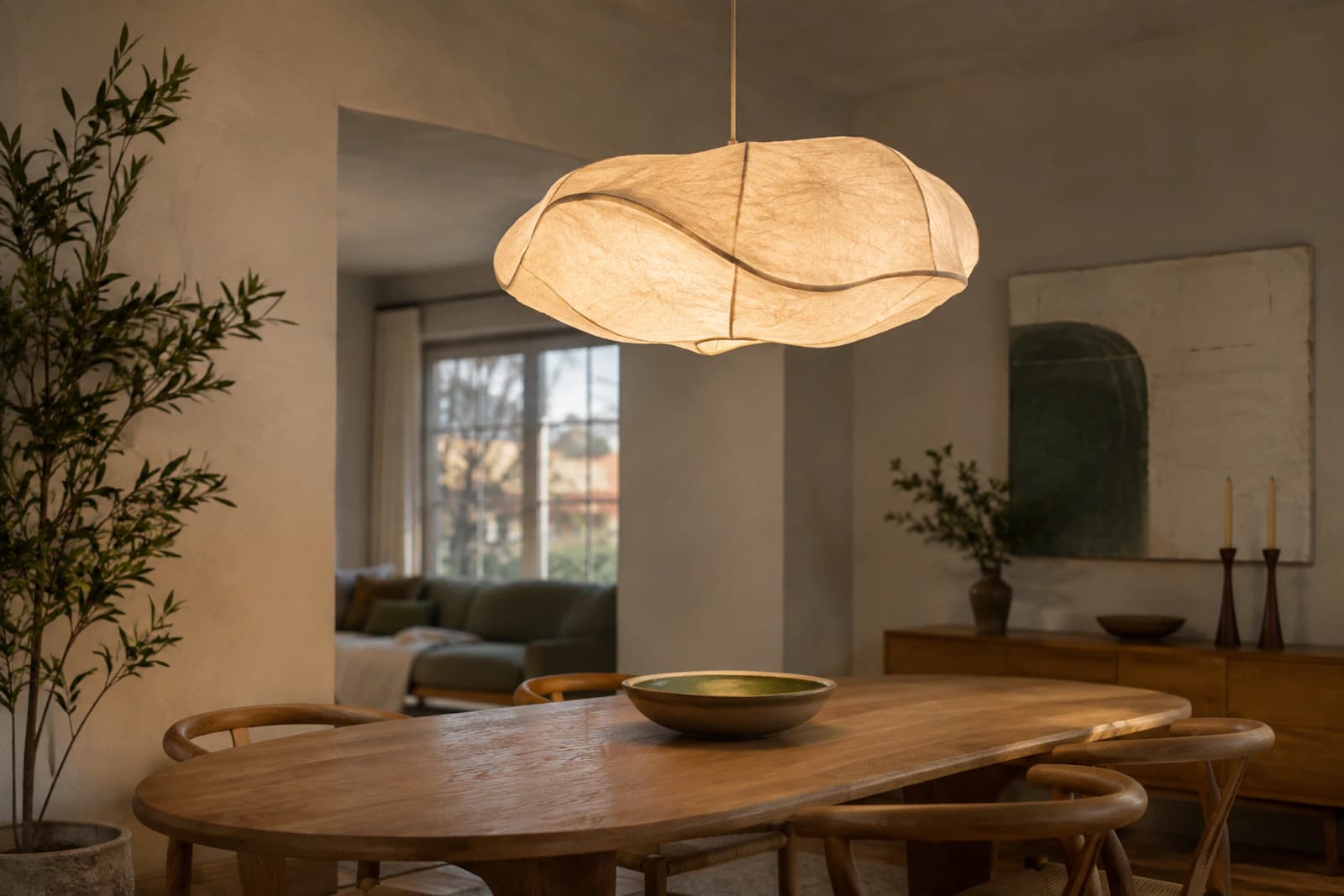
A sculptural pendant light over a dining table, acting as the focal point of the room
A fixture does not only have to light the room anymore. It can be the artwork.

Personal spaces are winning over universal appeal

A home does not need to be liked by everyone who walks through it. It should reflect the people who actually live there, which means artwork, collections, photographs and objects with real meaning are earning their place back on the shelf.

Sustainable design is getting practical

This does not mean buying expensive eco-labelled everything. More often it looks like: buying fewer, better pieces; keeping furniture longer; repairing instead of replacing; buying secondhand; choosing materials that hold up.

The 2026 shifts at a glance, and the smallest change that gets you there.
TrendWhat it replacesSmallest move
Warm minimalismStark white and graySwap one cool white for a warm white and add a wool throw
Natural materialsGlossy syntheticsOne oak or stone piece where the glass table was
CurvesAll straight linesA round coffee table or an arched mirror
Statement lightingFlush ceiling fixturesOne sculptural pendant over the dining table
Personal objectsCatalog stylingFrame five real photographs and hang them together
Practical sustainabilityFast furnitureRepair or reupholster one piece instead of replacing it
Visualize firstGuessing from a moodboardPhotograph the room and test the change on it
The same living room updated for 2026 with warm white walls, a curved boucle sofa, a travertine table, wood, books and personal objects
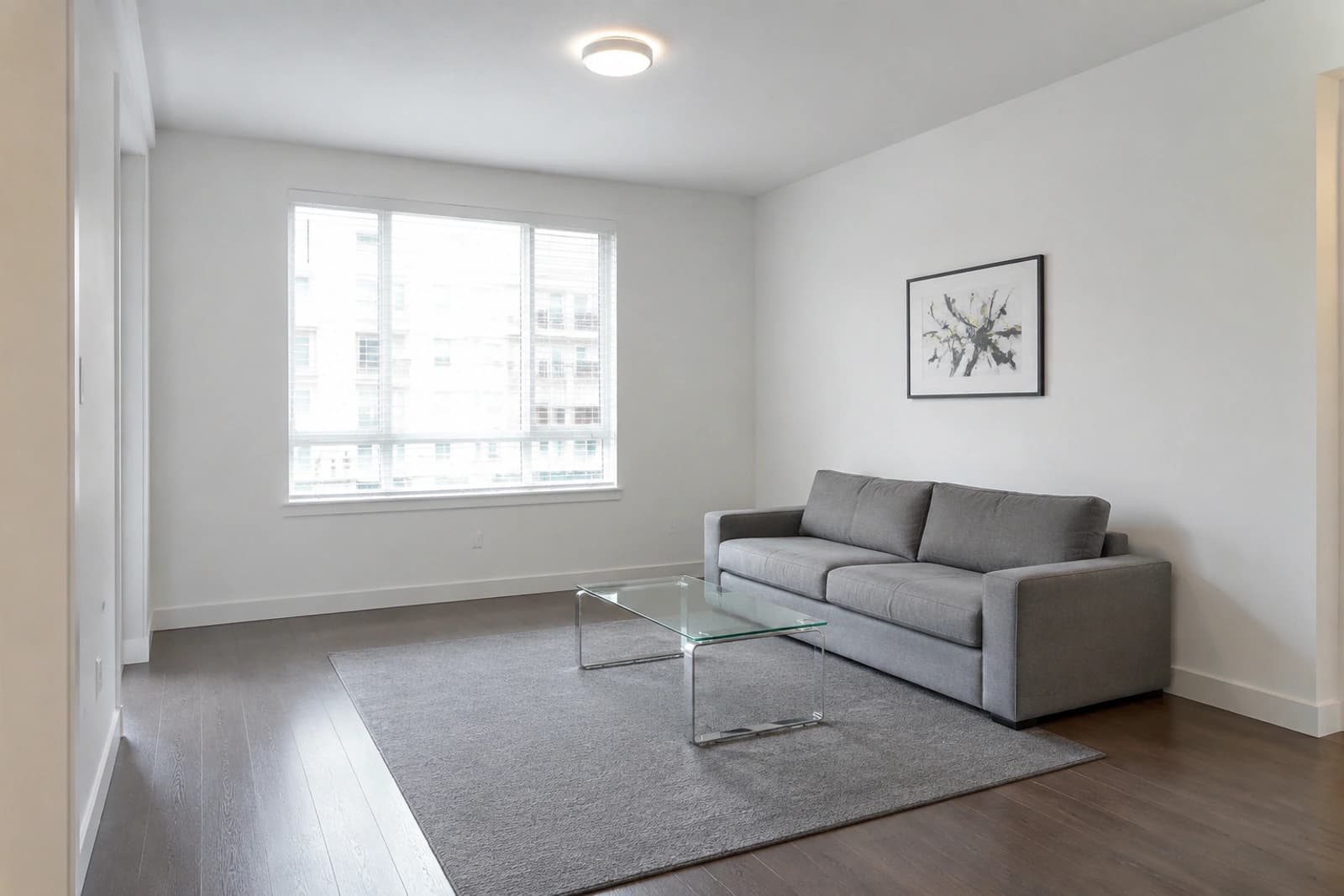
A stark minimalist living room from the 2010s with white walls, a gray sofa, a glass table and almost nothing else
20152026
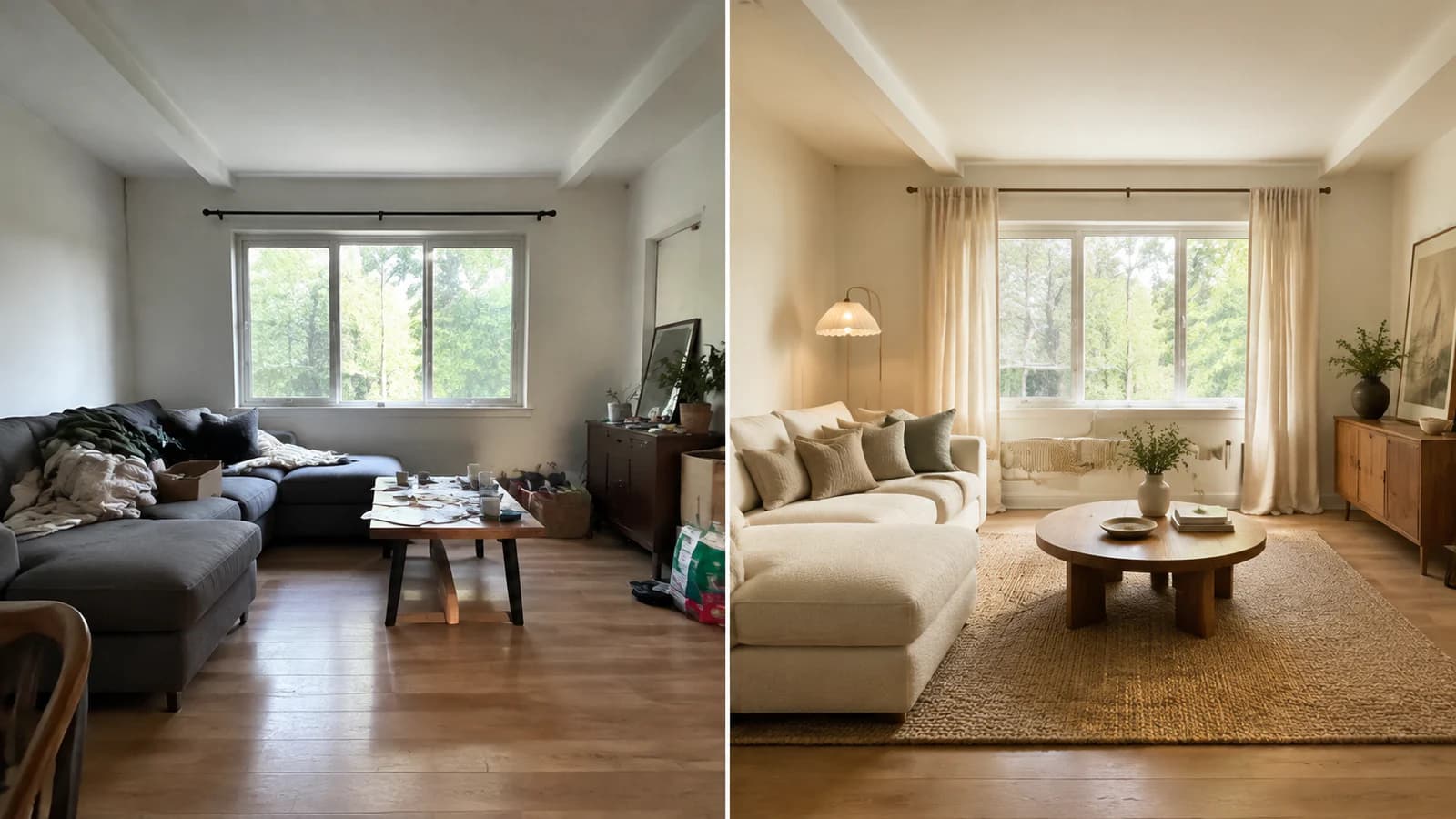
The same room, a decade apart in taste. Warmer, softer, more personal, and every piece still shoppable. Drag to compare.

AI is changing how decisions get made

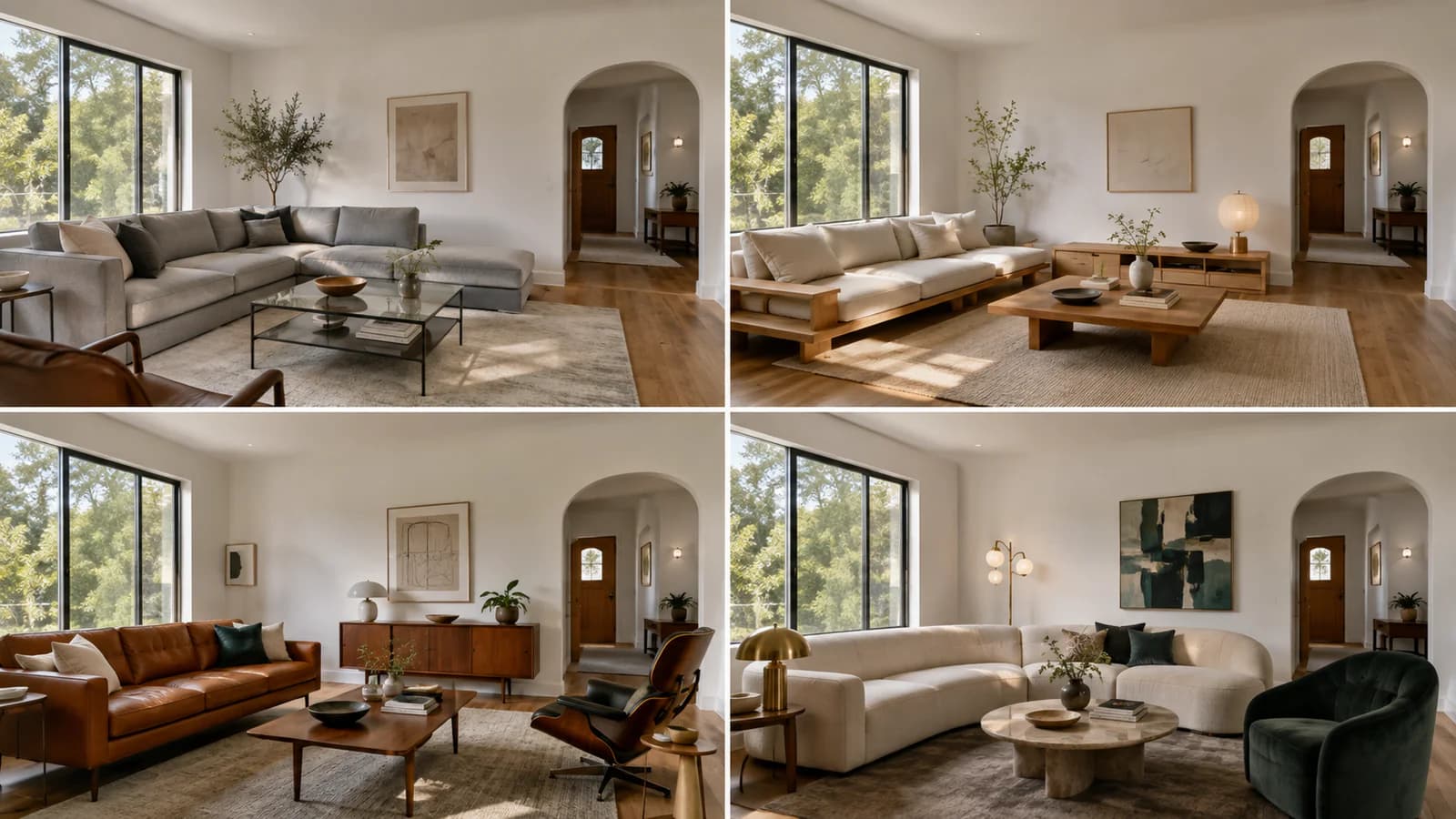
The biggest shift underway is not a furniture trend at all. It is the decision-making process itself. Instead of scrolling hundreds of images and trying to imagine how something might translate to their own space, people can now actually see it. Clavis lets you upload a photo of your real room, describe a direction, and generate a photorealistic concept connected to real, shoppable furniture. If you want the mechanics, read how AI interior design works.

For the ideas behind these trends that never go out of date, the 25 interior design ideas list is the companion piece to this one.

The biggest 2026 trend may simply be this: people want to make better decisions before they spend the money.

SharePinterest
Ayo Aiyeleye

Written by

Ayo Aiyeleye

Co-founder, Clavis AI

Ayo co-founded Clavis AI and leads strategy, including the retailer side of the product: grounding every generated design in a real catalog and tracing every sale back to the design that started it. He is Executive Director, Entrepreneurial Capital at Alberta Innovates, was named to The Peak's 2024 Emerging Leaders list and Edify's Top 40 Under 40 in 2022, and chairs the board of the Black Business Ventures Association.

Connect on LinkedIn

Questions

Questions people ask about ideas & trends.

Short answers to the questions that usually follow this one.

What are the biggest home interior design trends in 2026?

Warm minimalism replacing stark white and gray, natural materials such as wood, stone, linen and wool, a few curved pieces, sculptural lighting used as a focal point, personal objects back on display, practical sustainability, and AI tools that let people preview a design in their own room.

Is minimalism going out of style?

No. It is softening. The 2026 version keeps the restraint but adds warm whites, wood, texture and comfortable furniture, so the room feels calm rather than cold.

What colors are trending for homes in 2026?

Warm whites, earthy tones such as clay, olive and terracotta, and soft muted greens and blues. The common thread is warmth and low visual noise rather than one signature color.

How do I follow interior design trends without redoing my home?

Make one small move per trend: swap a cool white for a warm one, add a single curved or natural-material piece, hang one sculptural light, and frame real photographs. Test each change on a photo of your room before you buy.

How is AI changing interior design?

It changes how decisions are made. With Clavis you upload a photo of your actual room, describe a direction and get a photorealistic concept of that exact space, connected to real shoppable products, so you see the result before you spend.

Keep reading

All articles

Get the app

Transform your space today.

On iPhone and Android. Your first design is minutes away.

Questions? [email protected]

Clavis AI design assistant chat
Clavis AI app feed of personalized space designs