Skip to content

Rooms4 min read

Interior Design for Bedroom: How to Create a Bedroom That Feels Calm and Comfortable

Your bedroom does not need to impress anyone else. It needs to feel good when you walk into it at the end of the day.

Abby Aiyeleye

Abby Aiyeleye

Co-founder, Clavis AI

Published

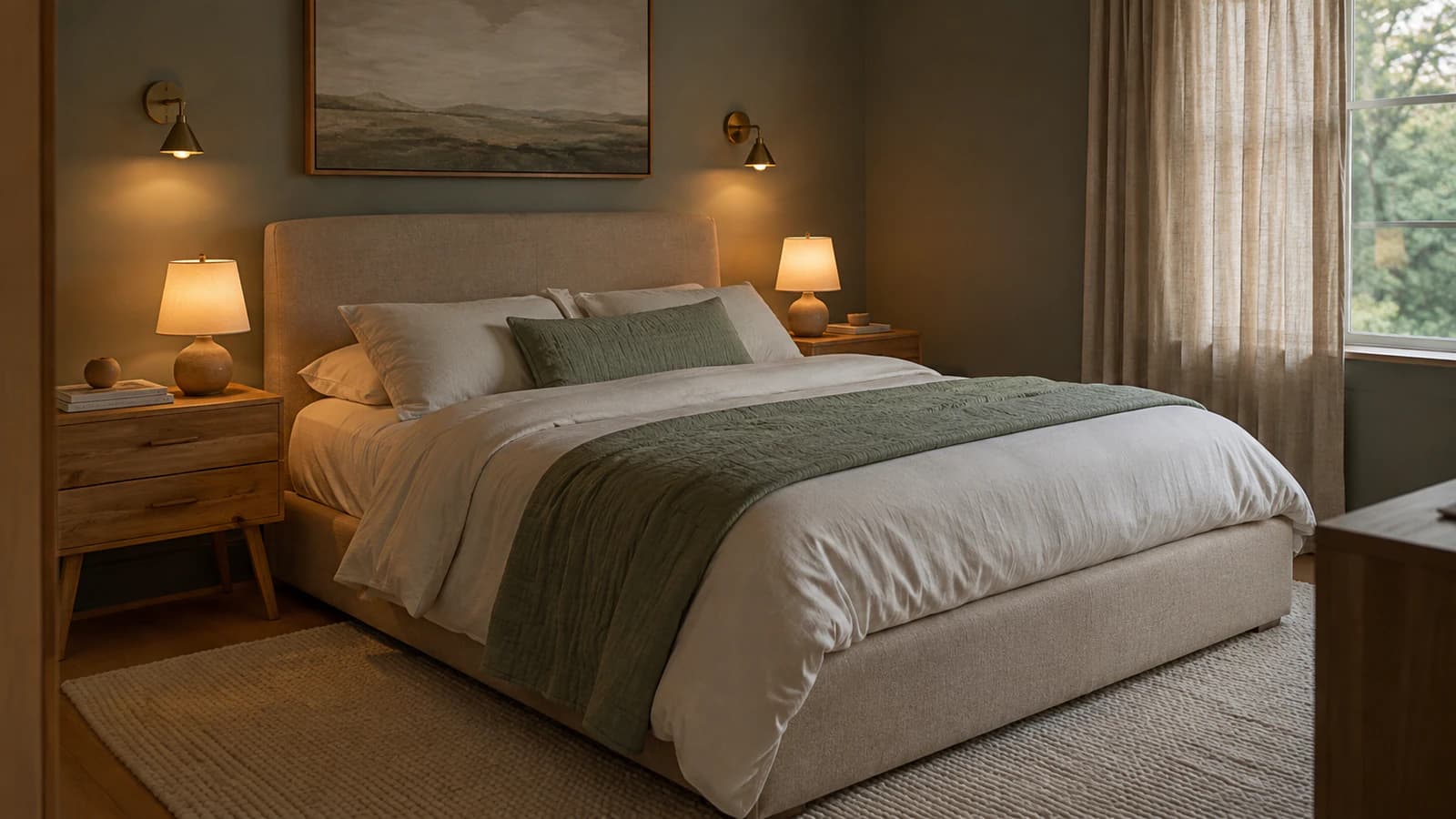
A calm bedroom with an upholstered bed, layered linen bedding, two wall sconces, a wool rug and a single artwork above the headboard

Quick answer

Good bedroom interior design is about comfort, not trends. Start with the bed, since it sets the scale for everything else, and leave real walking space around it. Choose a calm palette such as soft green, muted blue, warm white or clay. Layer lighting so it can be bright for dressing and soft at night, keep nightstands to three objects, and make storage part of the design so the room stays calm day to day.

That is why the best interior design decisions for a bedroom are usually about comfort, not trends. Here is how to make them in order.

Start with the bed

It is the largest piece in the room, so it sets the tone for everything else. Think about size, headboard, height, bedding and, crucially, how much room is left to actually walk around it. A beautiful bed that leaves no walking space is not a successful design.

Choose calm over trendy

Your palette does not have to be beige to feel restful. Soft greens, muted blues, warm whites, clay, taupe and gentle earth tones all work. The goal is avoiding anything visually loud if you want the room to actually help you wind down.
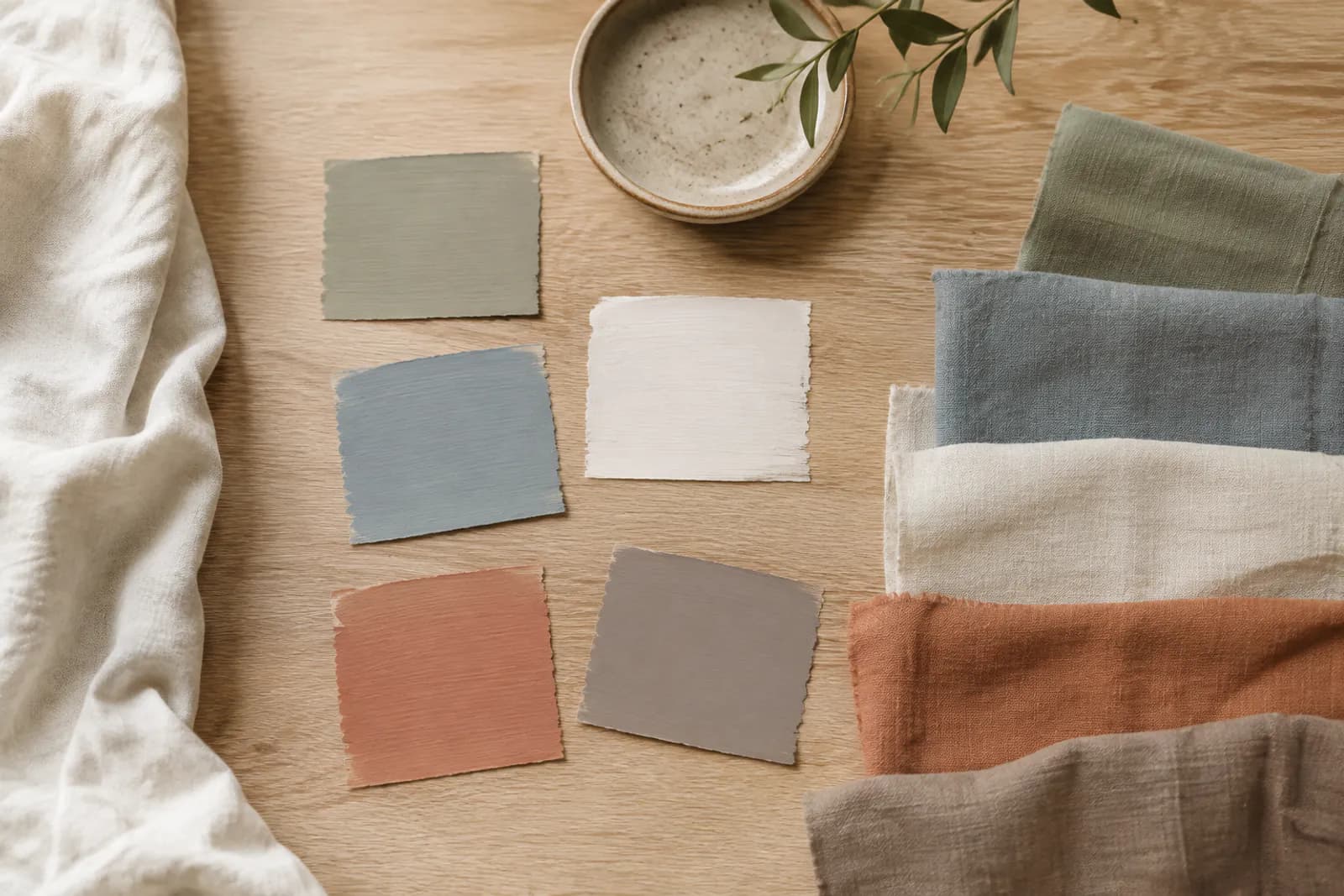
Bedroom color palette swatches: soft green, muted blue, warm white, clay, taupe and gentle earth tones with linen fabric samples
Restful does not have to mean beige. Any of these will let the room switch off.

Layer the lighting

Bedroom lighting needs to flex between two very different jobs: enough light to get dressed, and soft enough light to relax by at night. Bedside lamps, wall sconces and dimmable fixtures make that transition possible without a single harsh overhead bulb doing all the work.

Two jobs, one room: how each light source earns its place in a bedroom.
SourceMorning jobEvening job
Ceiling fixture on a dimmerFull light for dressing and cleaningOff, or barely on
Bedside lamps or sconcesReading in bedThe main light in the room
Wardrobe or closet lightSeeing what you ownOff
Small accent lightNot neededA warm glow on art or a plant
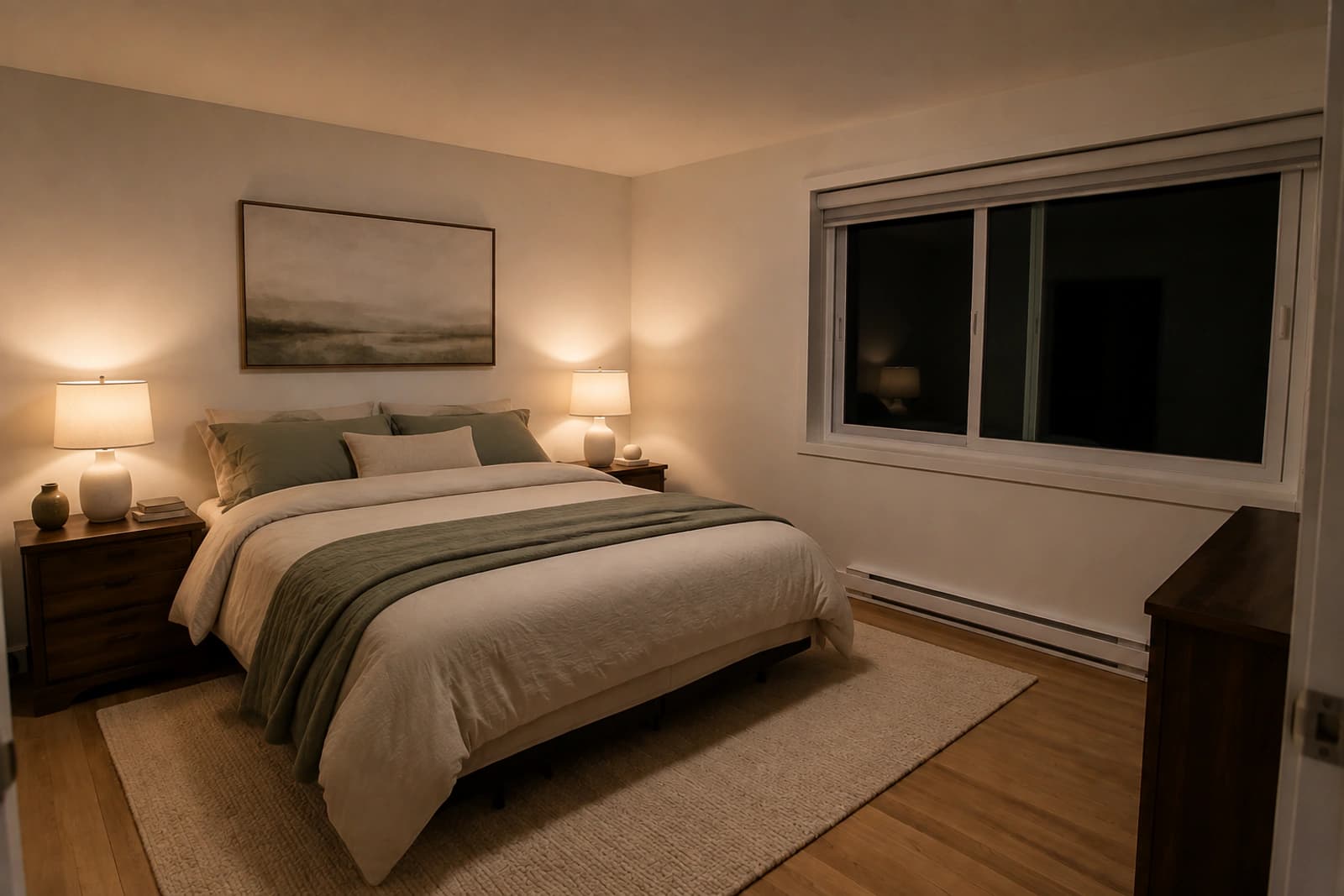
The same bedroom with layered bedding, two warm bedside lamps, cleared nightstands, a wool rug and one artwork
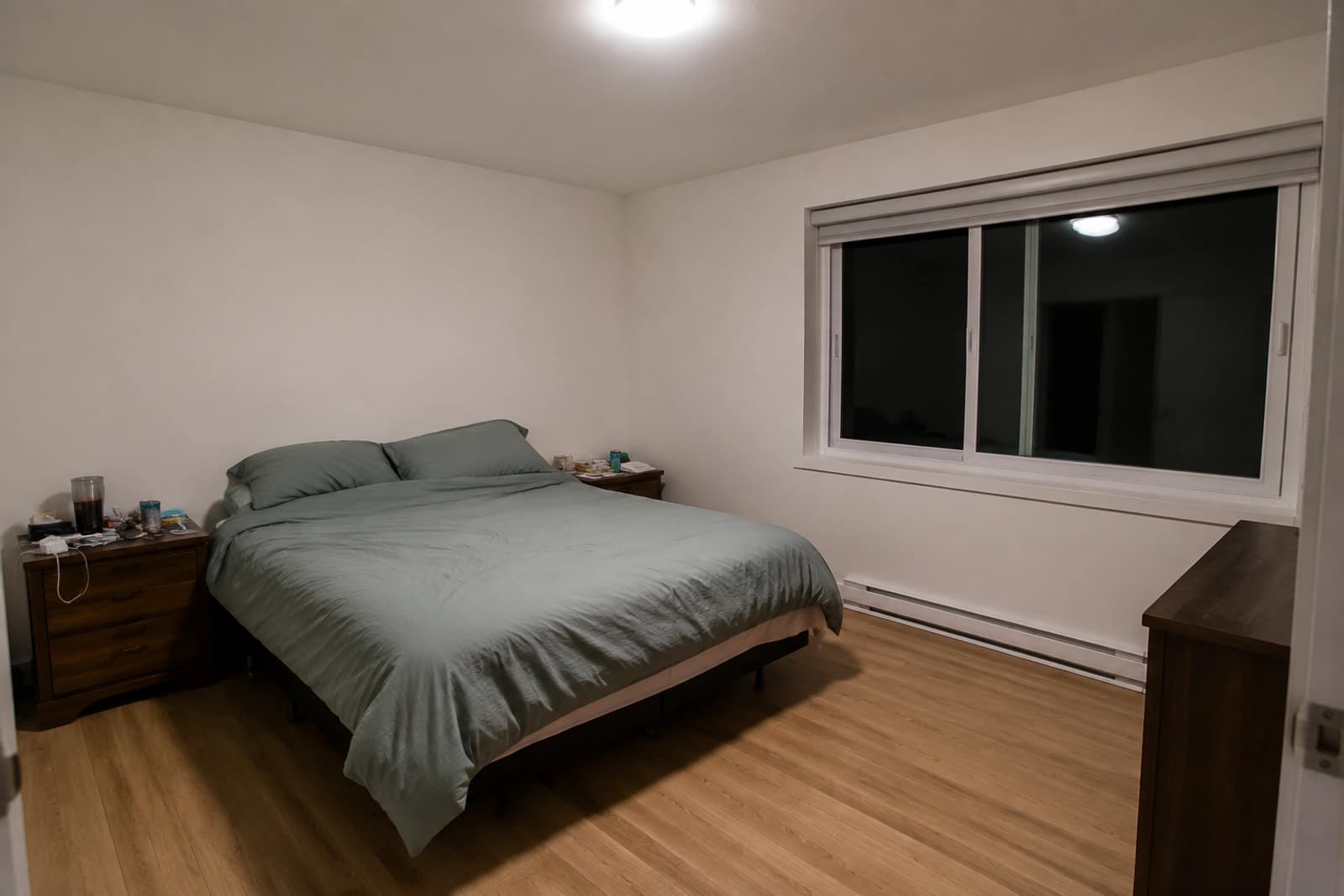
A bedroom lit only by a single bright ceiling fixture, with cluttered nightstands and no rug
BeforeAfter
Same bed, same room. Layered bedding, two lamps, a rug and a cleared nightstand did all of the work. Drag to compare.

Do not overload the nightstands

A lamp, a book, one personal object. That is often enough. Nightstands accumulate clutter fast; keep them intentional.

Make storage part of the design, not an afterthought

A beautiful bedroom gets frustrating quickly when clothes have nowhere to go. Wardrobes, under-bed storage, dressers, nightstands with drawers and baskets are not just practical. They are what keeps the "beautiful" part sustainable day to day.
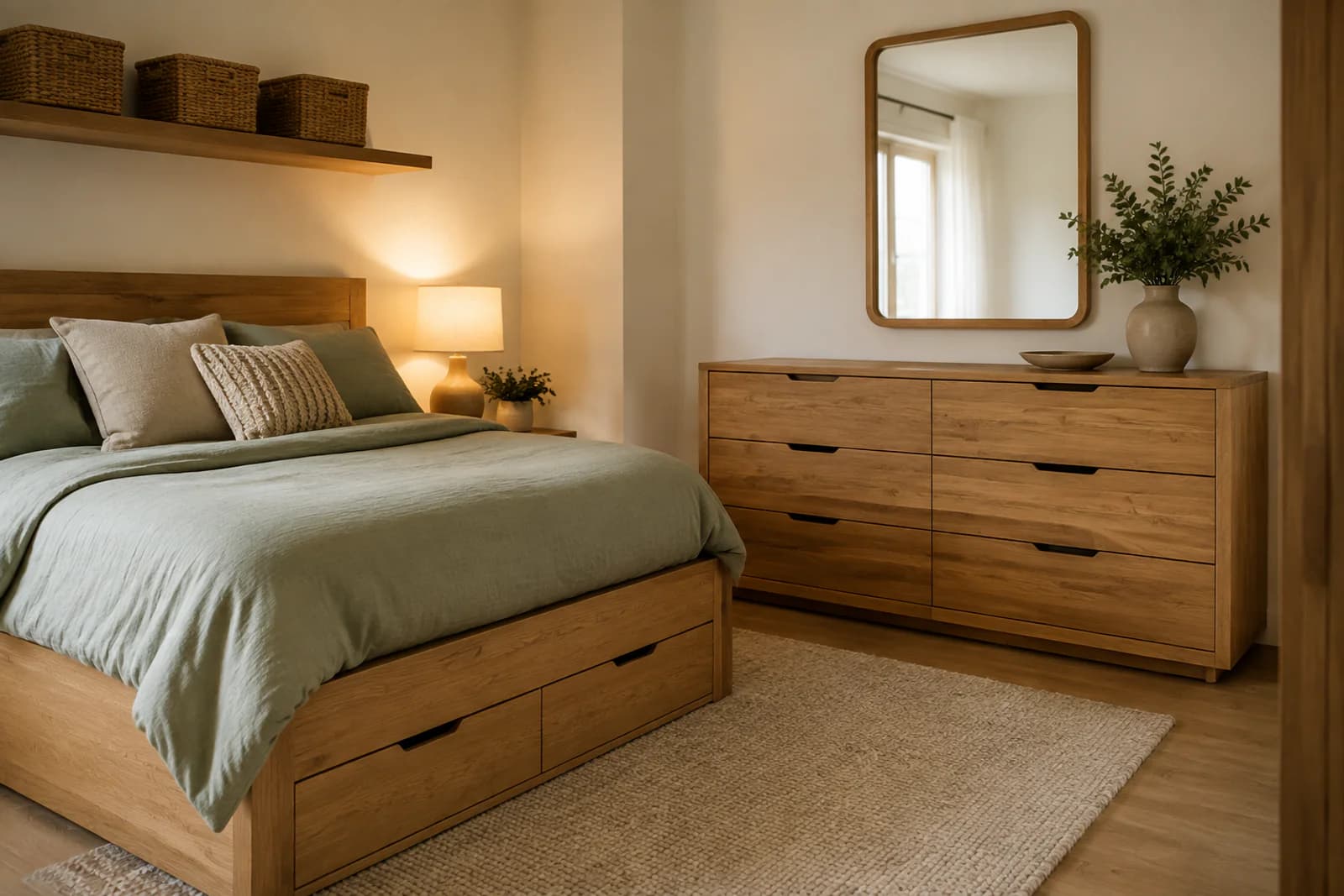
A bedroom where storage is built into the design: a bed with drawers underneath, a low dresser and woven baskets on a shelf
Storage that is part of the design, not an afterthought, is what keeps the calm sustainable.

Small bedrooms need a different question

Do not ask what furniture you can squeeze in. Ask what the room actually needs. A smaller bed, wall-mounted lighting or furniture with built-in storage often frees up more usable floor space than a clever arrangement of full-sized pieces ever will. The same thinking runs through our guide to interior design for a small house.

Try the style before you commit

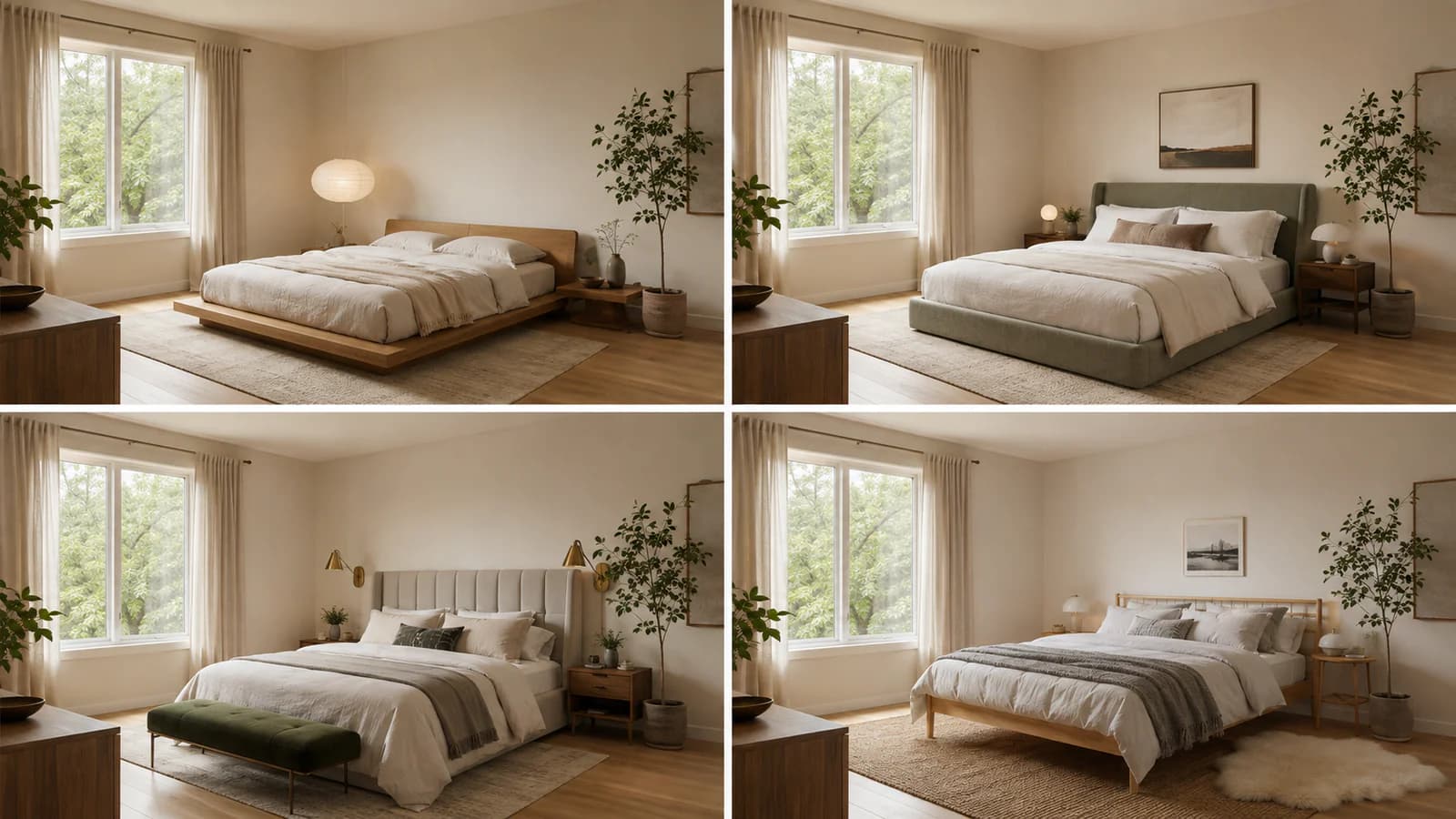
A bedroom can be minimalist, Scandinavian, Japandi, modern, traditional, contemporary, eclectic or luxurious. The right choice depends entirely on the feeling you are after, and we compare each direction in interior design styles for bedrooms. Clavis can generate bedroom concepts from a photo of your actual room, so you can compare directions before buying anything.

Your bedroom does not need to impress the internet. It needs to help you switch off.

SharePinterest
Abby Aiyeleye

Written by

Abby Aiyeleye

Co-founder, Clavis AI

Abby co-founded Clavis AI to make good design decisions available to anyone with a phone: photograph your room, see it redesigned, then shop the pieces. Her work has been recognized with the 2024 ASTech Award for Outstanding Woman in Innovation, the Queen Elizabeth II Platinum Jubilee Medal, DMZ's Women of the Year 2022, Top 40 Under 40, and Start Alberta's Most Promising Startup Entrepreneur of the Year.

Connect on LinkedIn

Questions

Questions people ask about rooms.

Short answers to the questions that usually follow this one.

What is the first thing to decide when designing a bedroom?

The bed. It is the largest piece in the room and sets the scale for everything else. Choose its size, height and headboard first, and make sure there is real walking space around it before you think about color or decor.

What colors make a bedroom feel calm?

Soft greens, muted blues, warm whites, clay, taupe and gentle earth tones all work. Calm does not have to mean beige; it means avoiding anything visually loud.

How should a bedroom be lit?

Layer it for two jobs. A dimmable ceiling fixture gives you full light for dressing. Bedside lamps or wall sconces take over at night so no single harsh overhead bulb does all the work.

How do I design a small bedroom?

Ask what the room needs, not what will fit. A smaller bed, wall-mounted lighting instead of table lamps, and furniture with built-in storage usually free more usable floor than a clever arrangement of full-sized pieces.

Can I see a new bedroom design before I buy the furniture?

Yes. Clavis generates photorealistic bedroom concepts from a photo of your actual room, keeping your walls, window and layout. Every piece in the design is a real product you can shop, so you can compare directions before spending anything.

Keep reading

All articles

Get the app

Transform your space today.

On iPhone and Android. Your first design is minutes away.

Questions? [email protected]

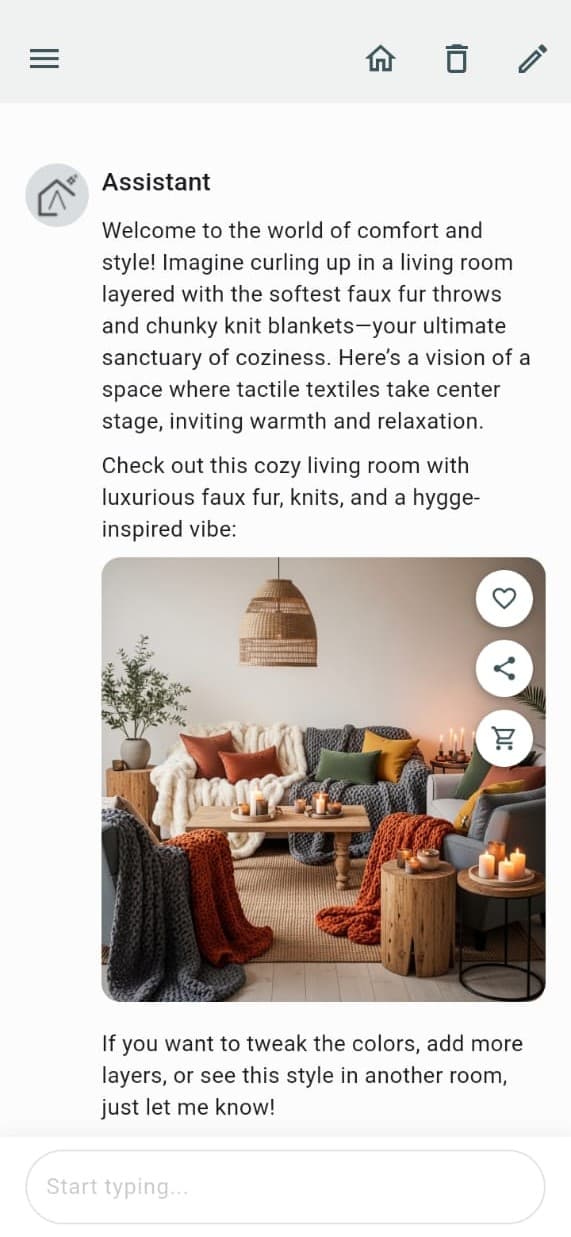
Clavis AI design assistant chat
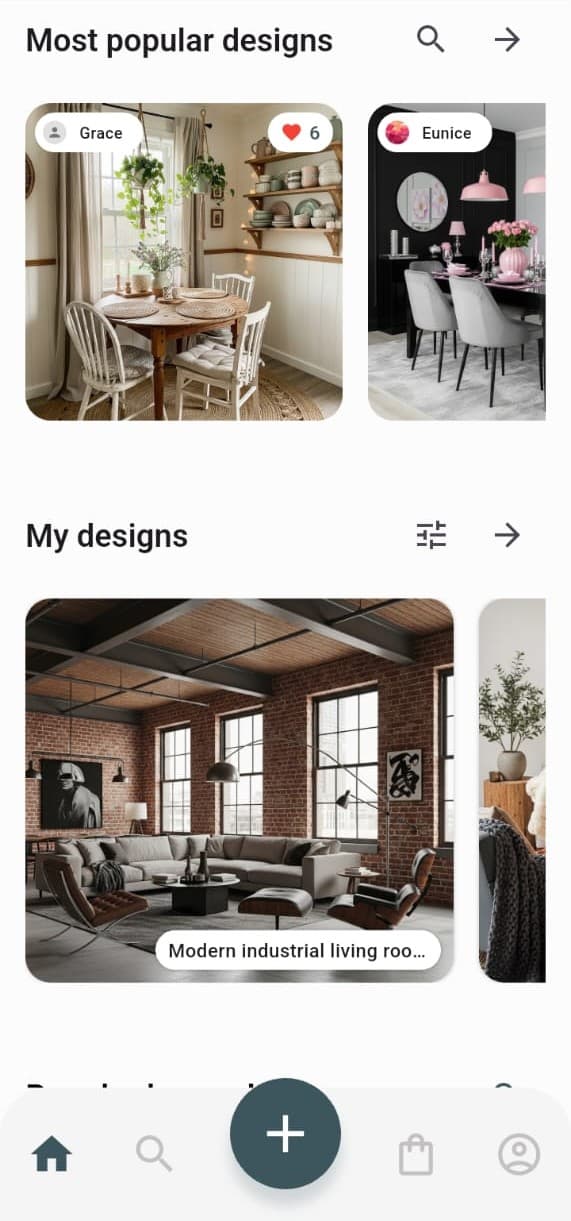
Clavis AI app feed of personalized space designs